
Mood Swings
Kafka’s The Top is a story about a philosopher who spends his spare time around children so he can grab their tops in spin. To catch a top still spinning makes him happy for a moment in his belief that ‘the understanding of any detail, that of a spinning top for instance, was sufficient for the understanding of all things’. Disgust follows delight almost at once: he throws down the top and walks away. Yet hope fills him again each time the top-spinning begins — ‘as soon as the top began to spin and he was running breathlessly after it, the hope would turn to certainty, but when he held the silly piece of wood in his hand he felt nauseated’.
Kafka calls it knowledge; Anne Carson calls it love. Mood Swings takes that flip as its tempo: chase, catch, drop — glamour in tragedy, tragedy in glamour. The spinning top becomes a figure for spiralling, for the way feelings gather force and turn into their opposite. What begins in hope can end in disgust; what feels like collapse can suddenly tip into release: the only constant? Change and uncertainty.
Swinging hard and high, sun-sparkles dance across your vision: brief, blinding flashes where joy and dread blur together. The lurch in your stomach when happiness arrives too brightly, too briefly; the pulse of hope inside grief; the anxiety threaded through sweetness. Too sweet turns bitter; too bitter turns sweet.
The curators’ shared point of departure is Britney Spears: an emblem of cultural projection and collective longing, public vulnerability and the distorted shimmer of celebrity. From there, the exhibition unfolds across six distinct practices that excavate the emotional whiplash of being a person who feels — and is seen feeling. The works register digital intensities and autobiographical rupture; cycles of performance, humour, shame, pop-aesthetics, desire, and survival.
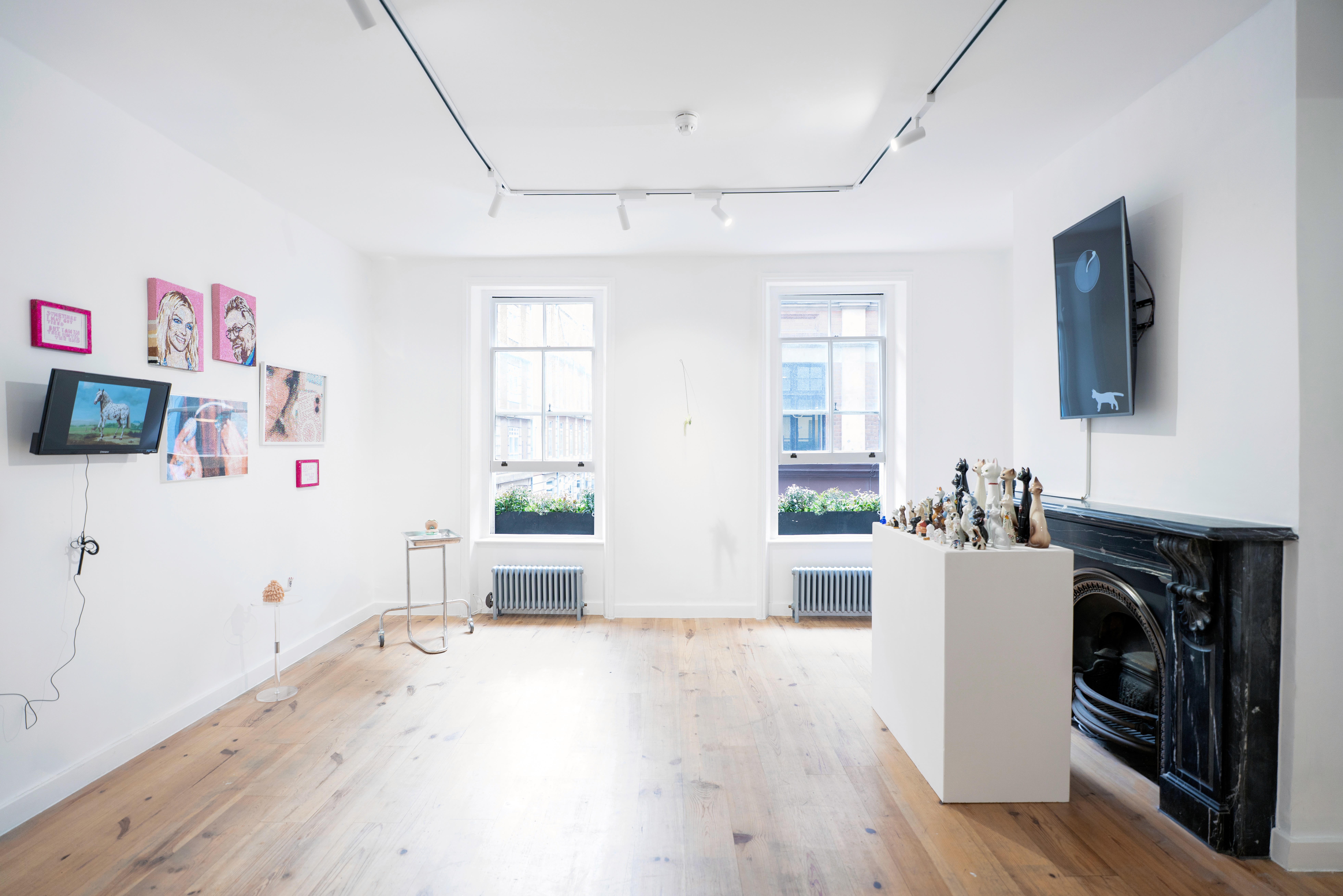
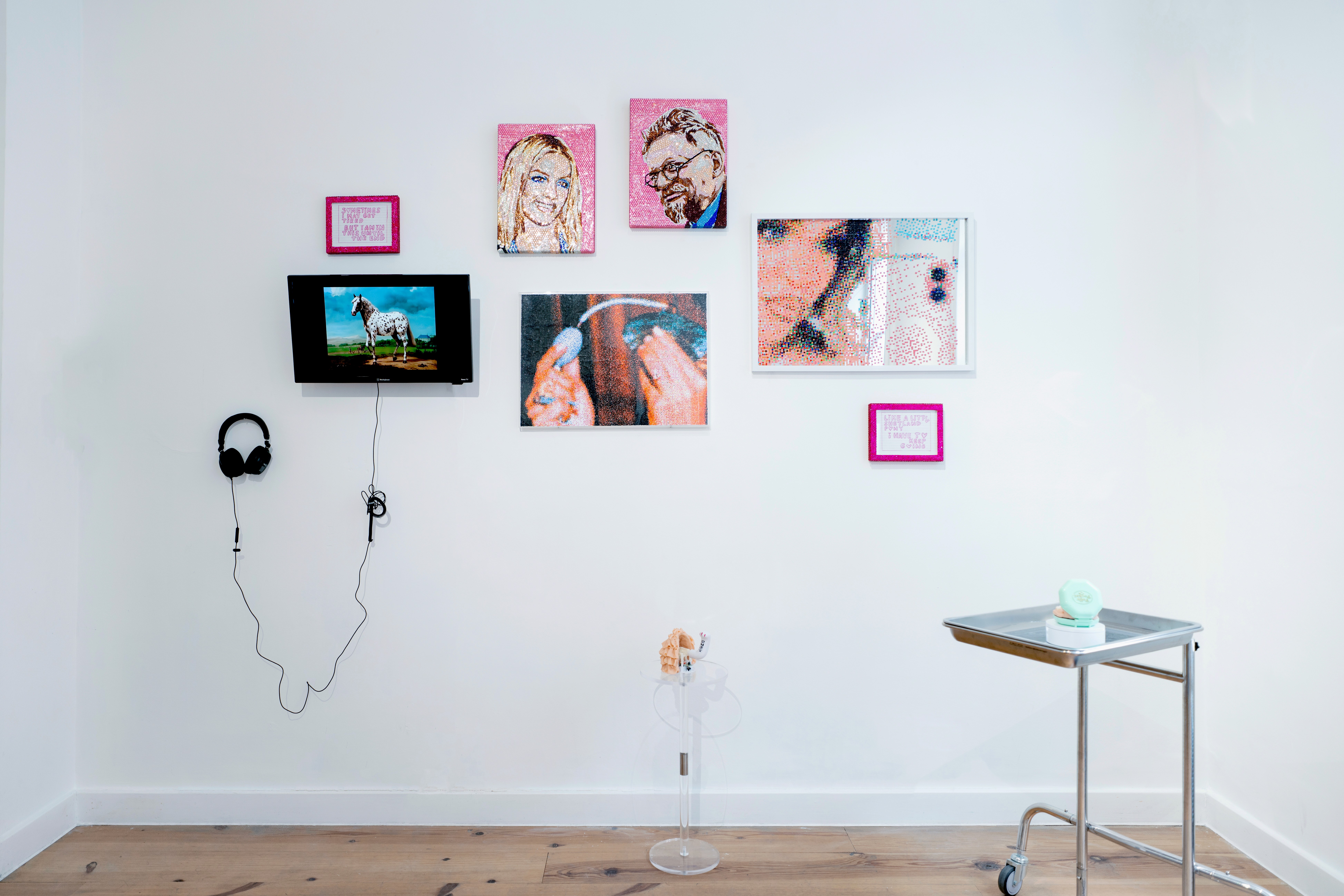
Lily Bunney focuses on digital mediation, celebrity culture, and the ways social media refracts and reflects trauma, intimacy and attention. Her pointillist portraits of instantly recognisable figures glitter like screens, mimicking the seduction and distortion of online life. In Mood Swings, Bunney’s work becomes the exhibition’s digital shimmer — a reminder that glamour often masks profound sorrow, and that tragedy, once uploaded, becomes spectacle, meme, commodity. The hand of the maker becomes flattened when photographed: only in person is the true quality of the works revealed. Her repetitive rendering of pixelated images reads as catharsis: a manageable ritual that shoulders on, even at the lowest mood.
Elleanna Chapman approaches class struggle through the kitsch, the cute and the pop-cultural — visual languages used as both camouflage and weapon. Her work makes revolution look glossy, even fabulous: an intentional contradiction that captures the psychic instability of demanding change inside a system designed to neutralise it. Chapman brings the exhibition its political pulse, where glamour becomes militant and tragedy becomes ordinary — hope and despair repeating in rapid succession. She reminds us that we may stop to observe the catastrophes that surround us, but the real task lies in intervention. To dare is to do, and it doesn’t hurt to be chic about it.
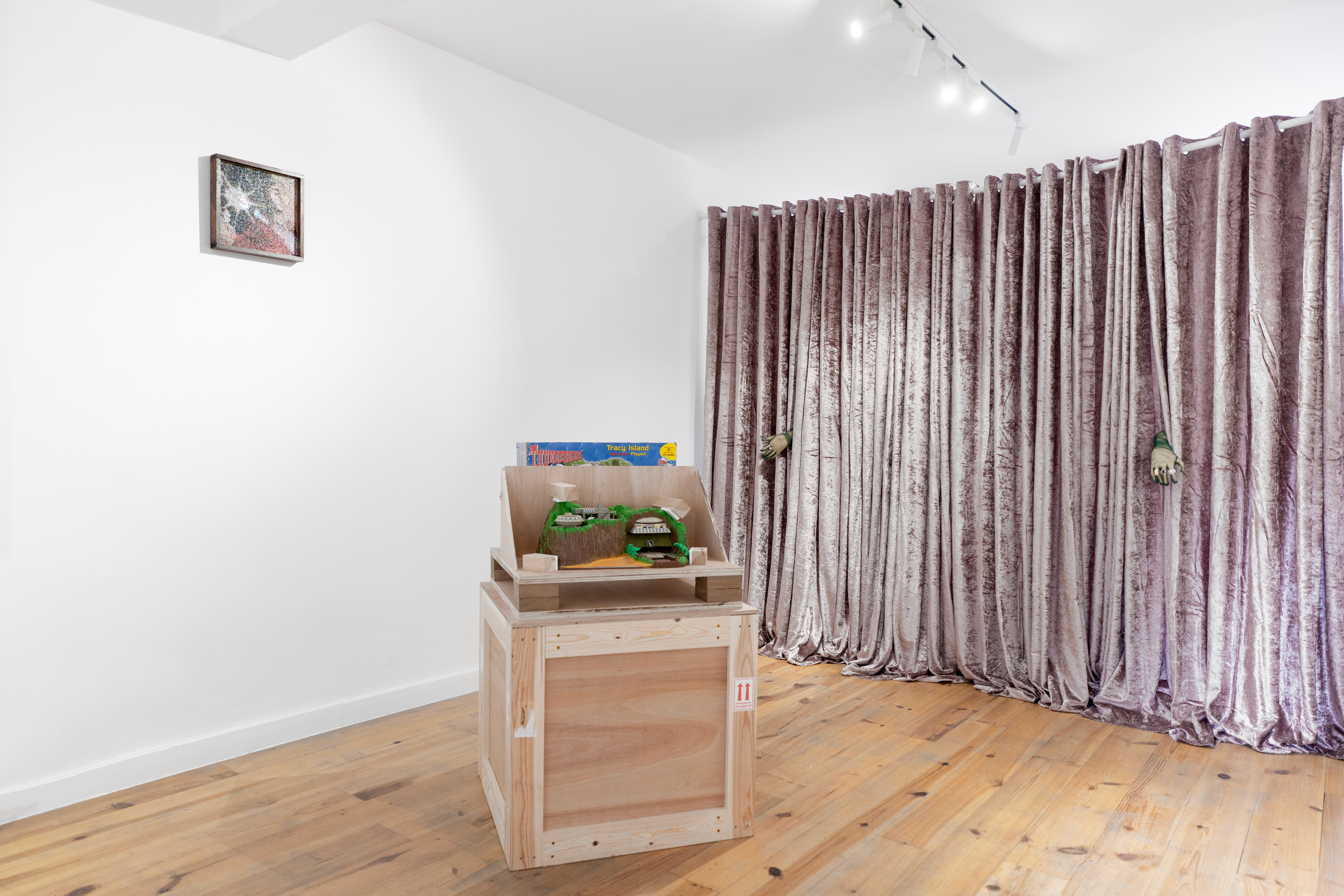
Dandy Day’s practice has evolved since the sudden loss of their mother, moving toward tender explorations of childhood, home and attempts at emotional return through recollection: Beatles ephemera, second-hand toys, and other traces of lives once held close. Working through grief, memory, and the moments where the autobiographical become universal, their contributions hold the exhibition’s most vulnerable swing: the moment hope cracks open inside heartbreak. Day’s gestures towards childhood, loss, and resilience ground the show in sincerity and complicate our relation to nostalgia. They ask us to question how status is afforded, and to wonder what would happen if vulnerability sat atop our plinths – quietly insisting that beneath the shine of society sits the universal desire to be held, understood, or simply to survive.
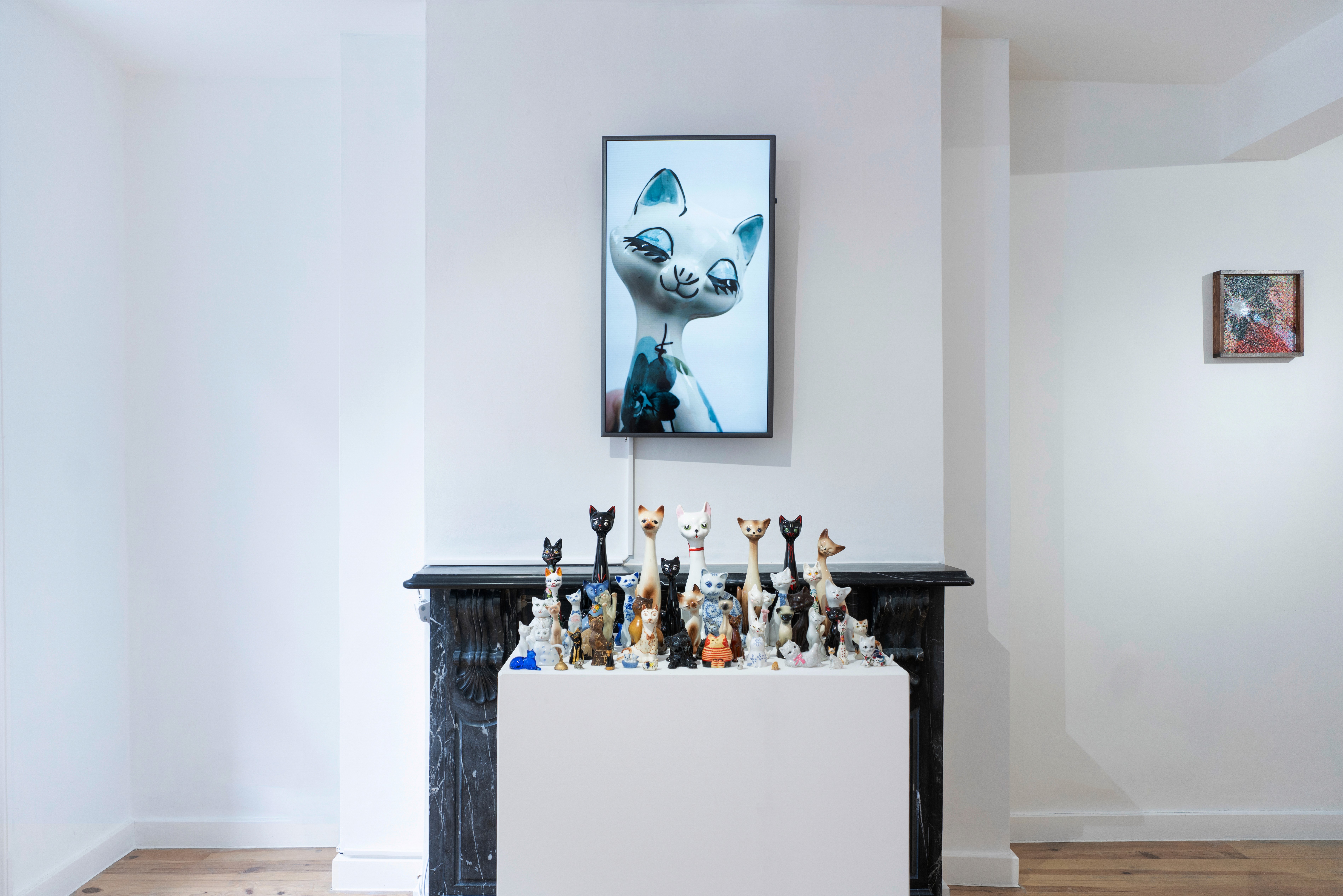
Andy Holden’s practice — spanning sculpture, animation, installation and philosophical inquiry — examines nostalgia, sincerity, humour and the cartoonish exaggeration of human experience. His manifesto Maximum Irony! Maximum Sincerity! resonates here as a core engine of mood: a manifesto first written with childhood friends and revisited by the artist as an enduring ideology for art production. Holden’s work evokes childlike wonder shadowed by existential weight. Jumping across practices, projects, the pop, and the kitsch, Holden reminds us that feeling is rarely linear — it loops, fractures, and repeats: like a cartoon landscape that suddenly reveals its depth. Fact, fabrication, and fandom mix together as we are invited to the unlikely marriage of the sardonic and the sentimental.
Laila Majid considers how materials, objects and surfaces become charged with desire, and how visual culture leaves traces on and within the body. Through this, she interrogates the boundaries of the corporeal — and the urge to shape-shift beyond them, frequently alluding to the presence of gesture impulse, without the imposing representation of any figure. Concealment and revelation, self-pleasure and the gaze of the other, move in constant interplay in Majid’s Chaser, designed to seduce via their concurrent embodiment of fetish wear, fishing baits, and cat toys alike. In Mood Swings, this push and pull emerge as a kind of voltage: to entice is to entrap, to give is to withhold. Glamour exists as armour, exposure, and extension of the body, creating its own refuge and risk.
Moses Tan explores queer histories, shame, melancholia, and political entanglements through drawing, video and installation. Their work deals in subtle codes and emotional undercurrents that resist straightforward interpretation. Preciousness coincides with rebellion, and excess with repression. A pearl of wisdom, once promising self-understanding, becomes a choking hazard. An underbelly of disquiet or downright horror looms, but is never fully revealed. Tan introduces a slower swing to the exhibition’s rhythm — a melancholy that refuses spectacle and instead lingers, staining what surrounds it. Here, tragedy is intimate and interior, unfolding beneath the performance of glamour, in the after-image you only see once the glitter has settled.
Together, the artists form an emotional weather system: sparkling, collapsing, shimmering, grieving, hopeful, exhausted, ecstatic — insistently alive. Like the sunburst that hits the eyes at the highest point of a swing, Mood Swings captures the dizzying clarity of extreme feeling — where joy is tinged with fear, and despair glimmers with the possibility of release.
Selected Works
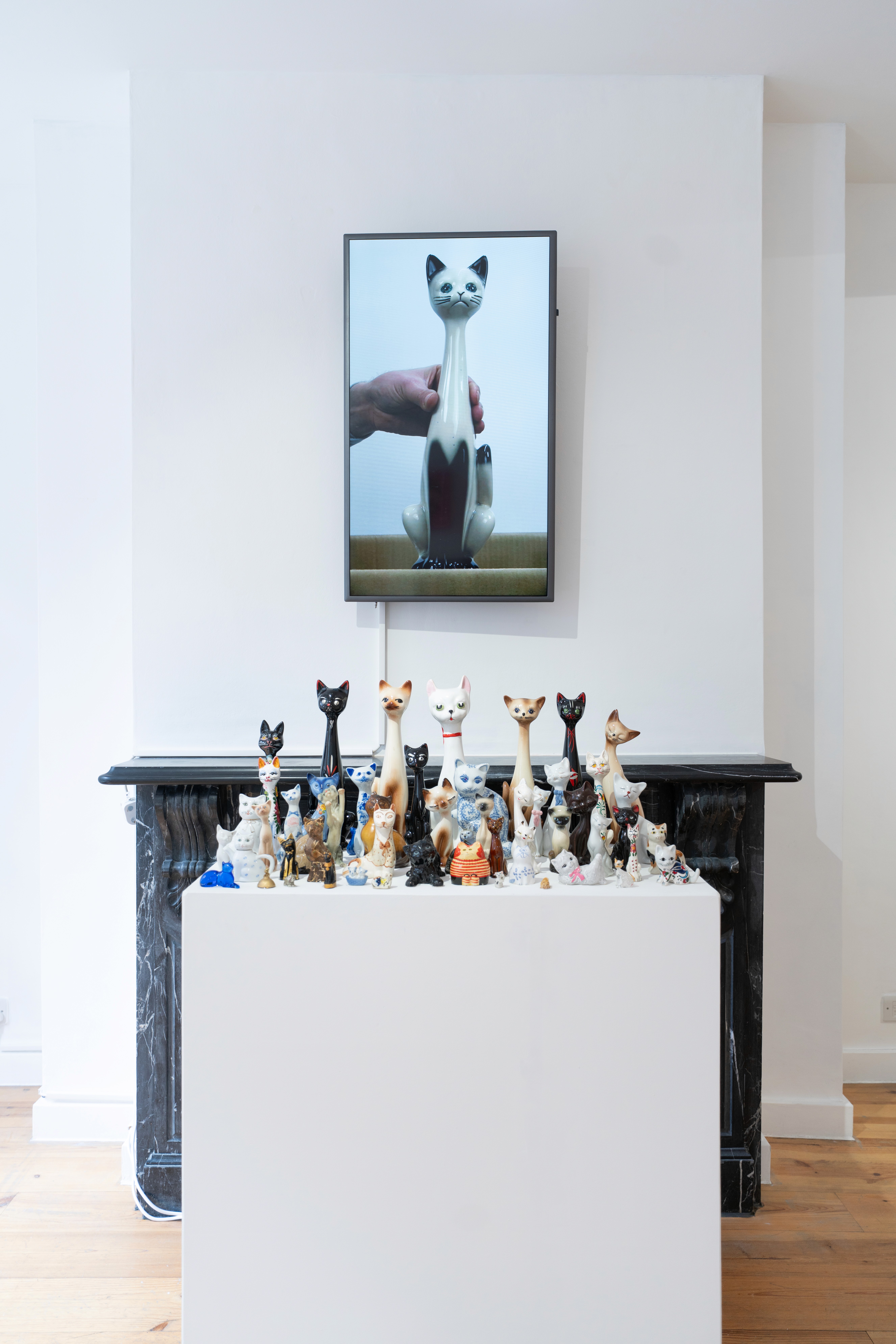
Andy Holden
Cat-tharsis, 2022
83 ceramic cats and video installation
Edition 2/2
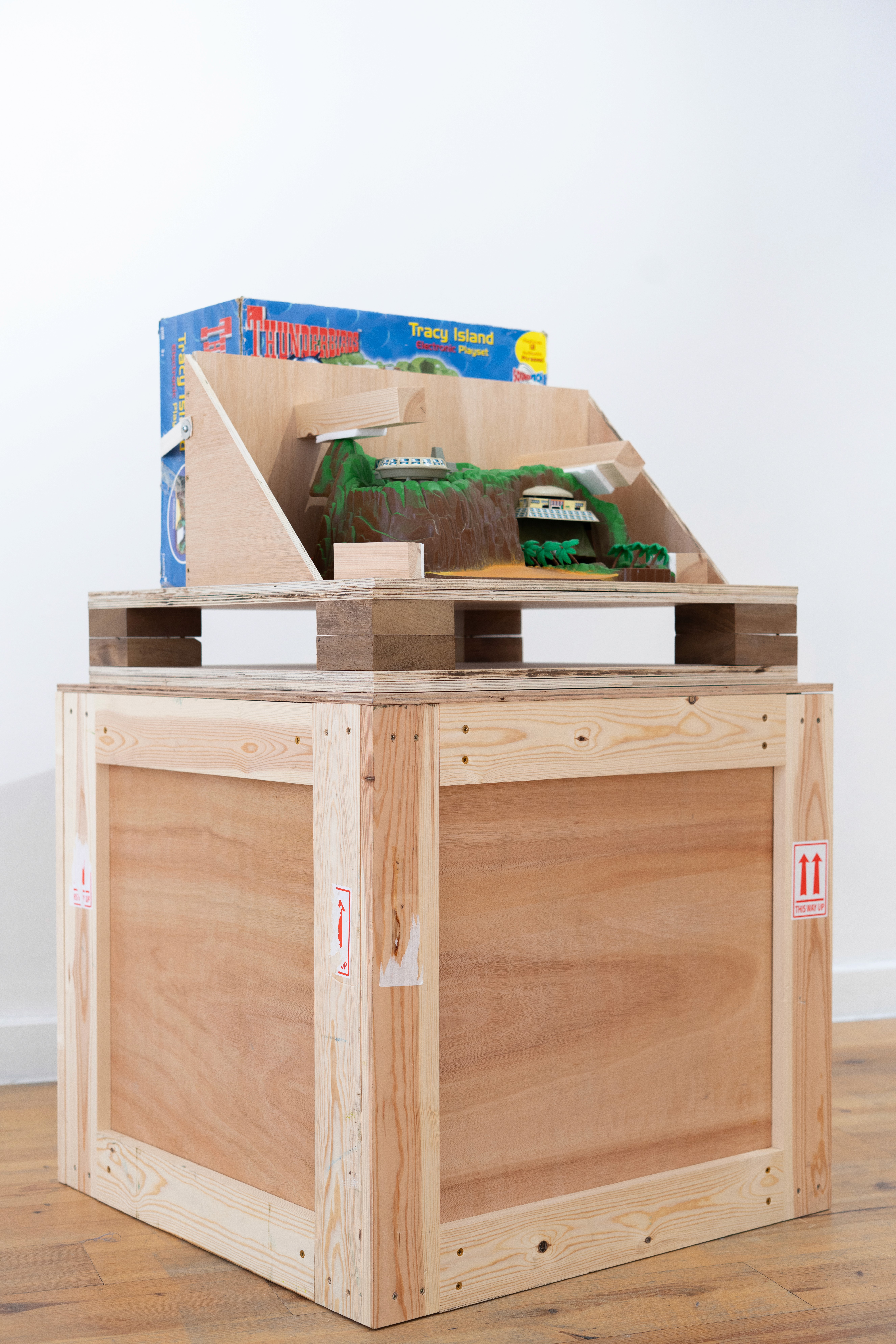
Dandy Day
TOY-TRACYISLANDPLAYSETTHUNDERBIRDS-1992-001
1992 Thunderbird Tracey Island plastic playset with original packaging. Plywood panels and pine framing
75 cm x 75 cm x 120 cm
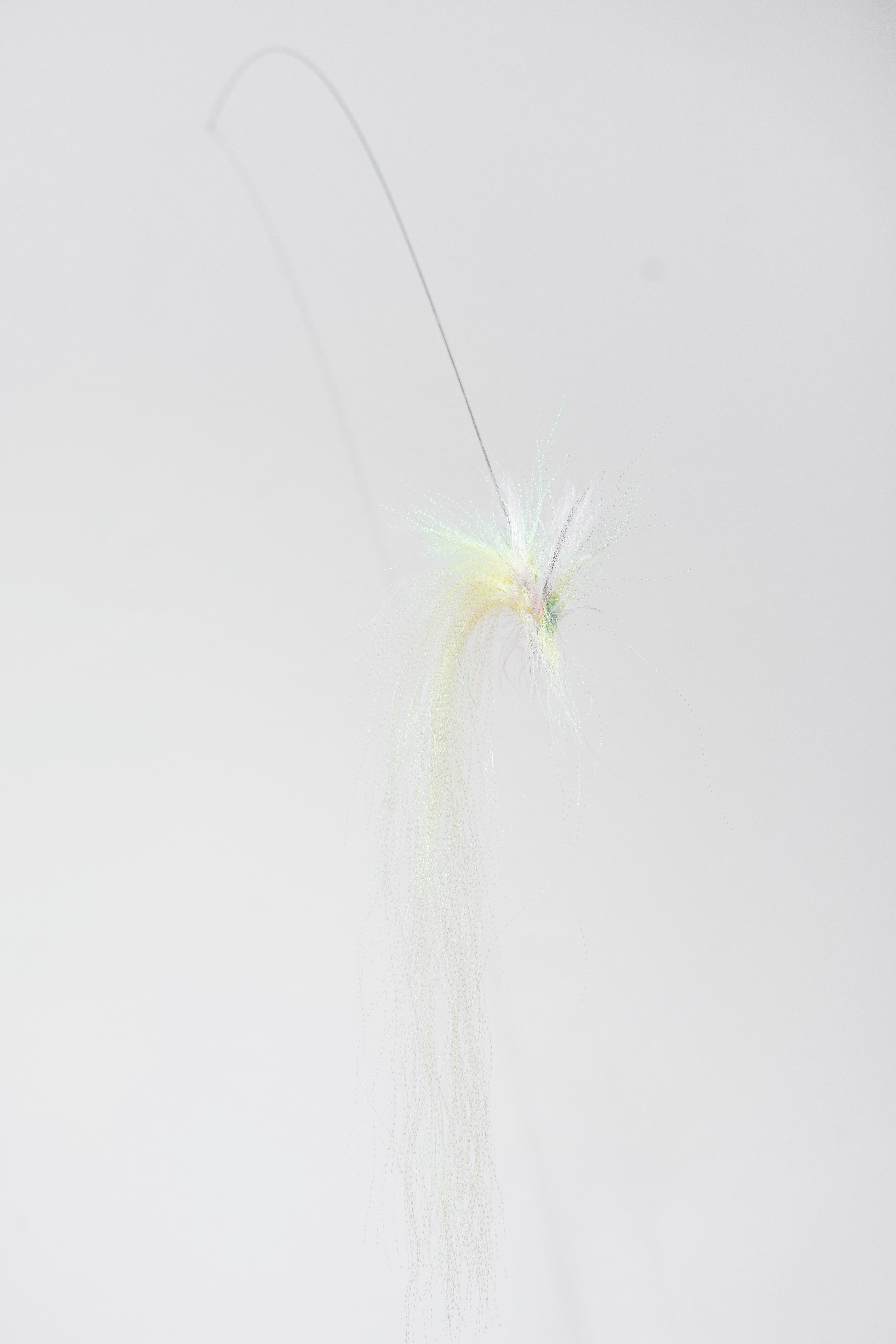
Laila Majid
Chaser (18), 2026
Piano wire, feathers, synthetic fur, pvc and tinsel
24 cm x 6 cm x 4 cm, wire length: 85 cm
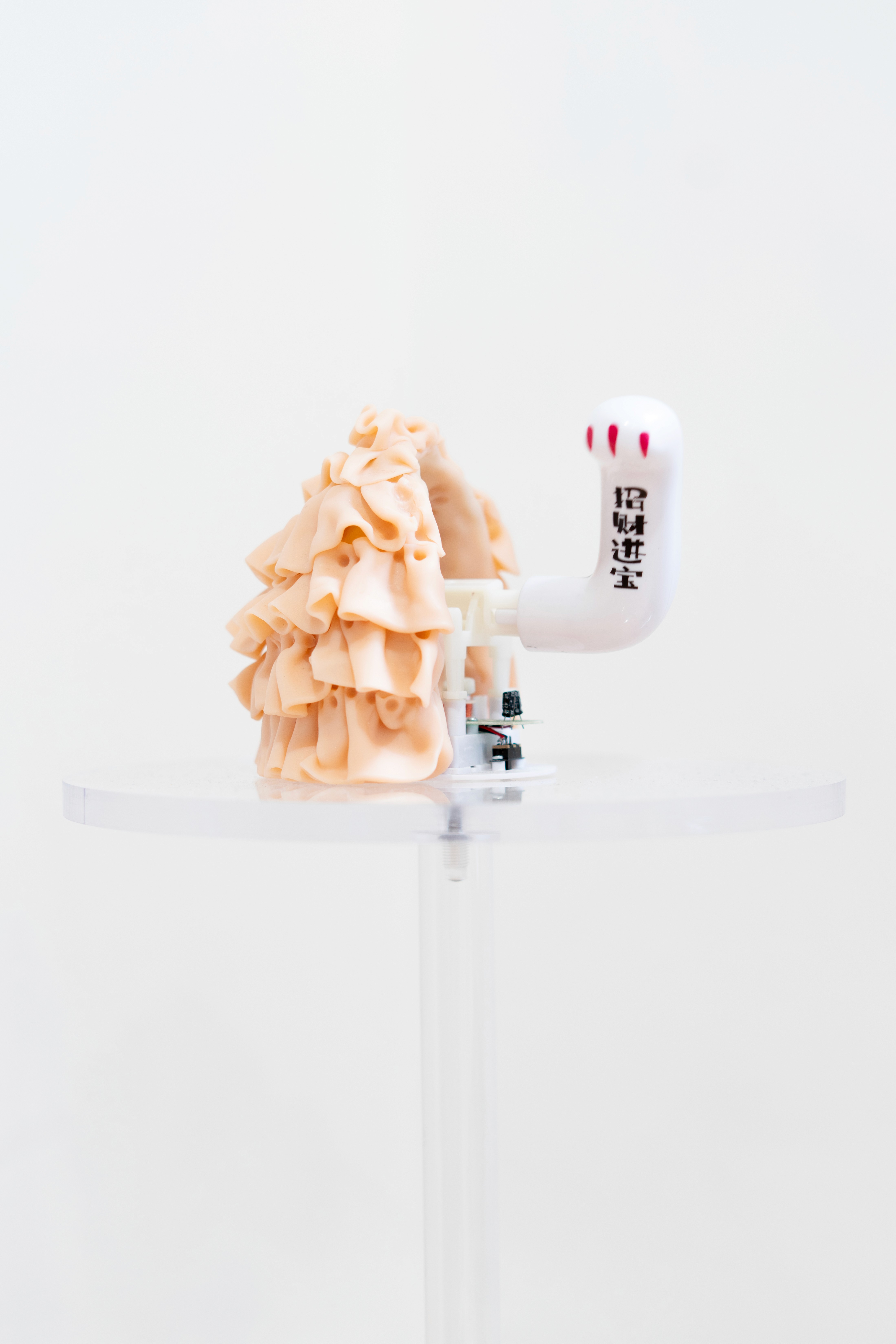
Moses Tan
open (for business), 2025
Fortune cat arm, polymer clay
15 cm diameter, 12 cm height
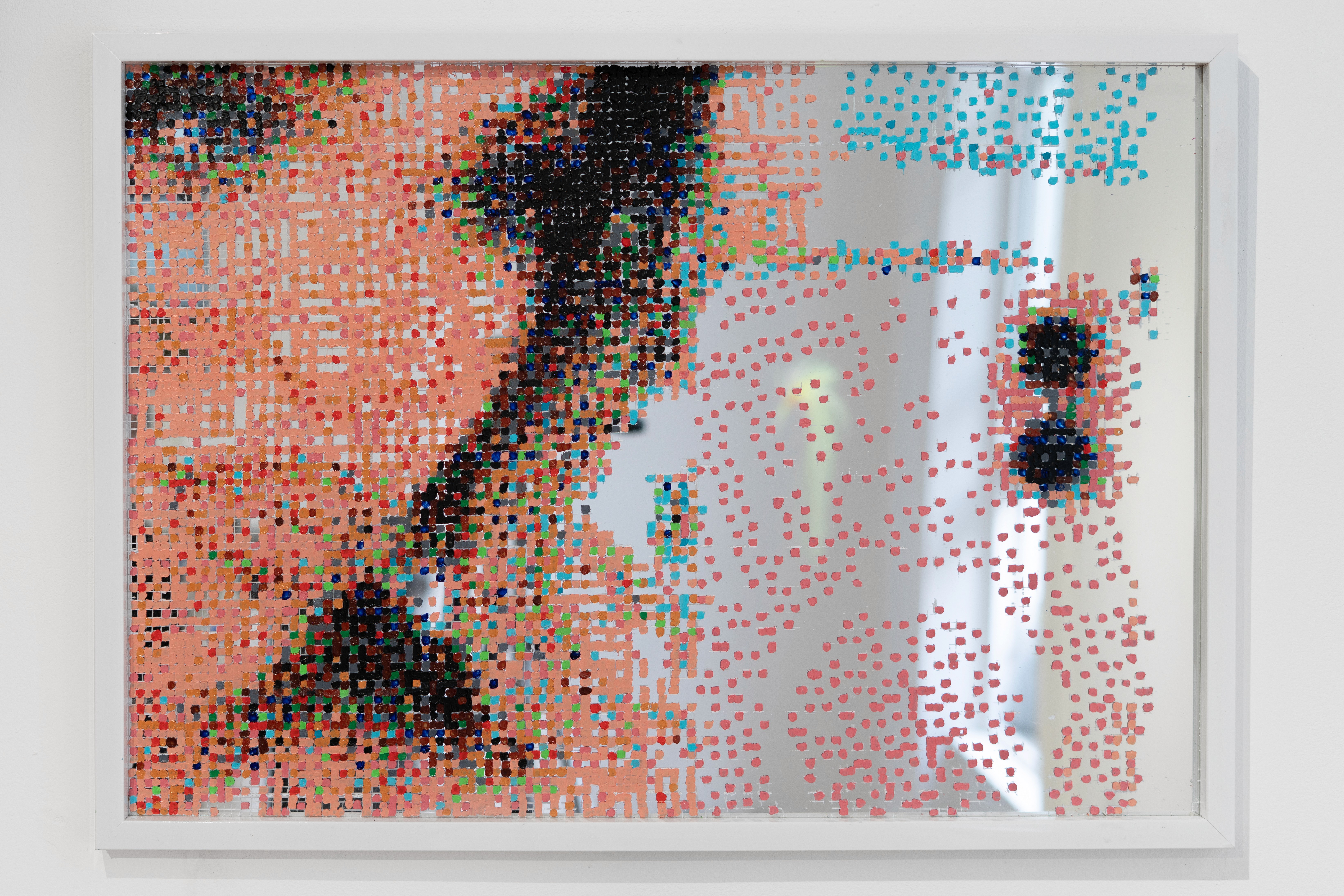
Lily Bunney
I just want people to know me and to love me, because I have no love (Trisha Paytas), 2026
Oil paint on mirror
50 cm x 70 cm
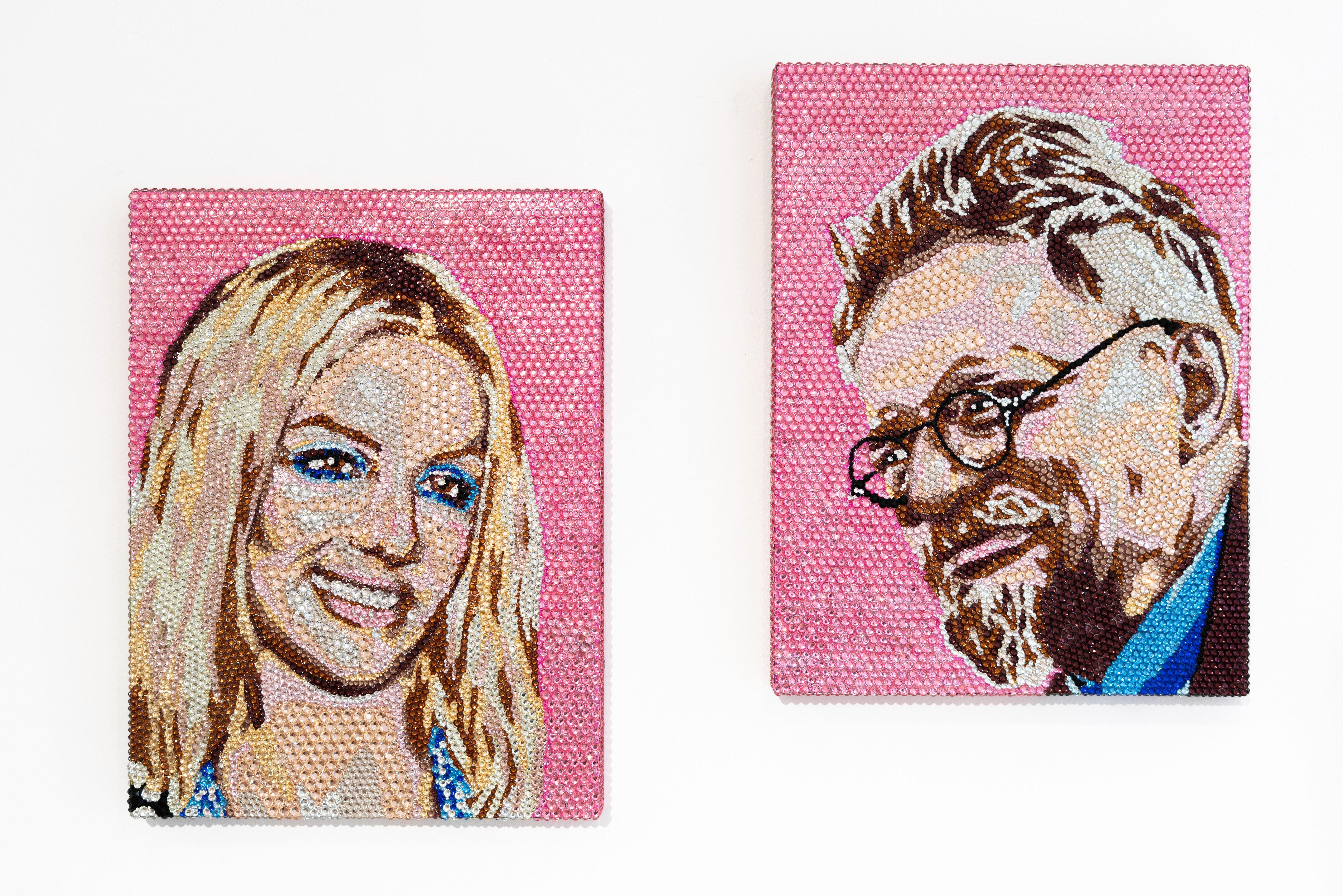
Elleanna Chapman
Dual Power, 2026
Rhinestones, glue, acrylic, marker pen, wood panels
31 x 41 x 4 cm (each)