Room We Didn't Build

Lujane Pagganwala, Maya Silverberg, Xiangyin Gu

Lujane Pagganwala, Maya Silverberg, Xiangyin Gu

16 July – 6 August 2025

16 July – 6 August 2025

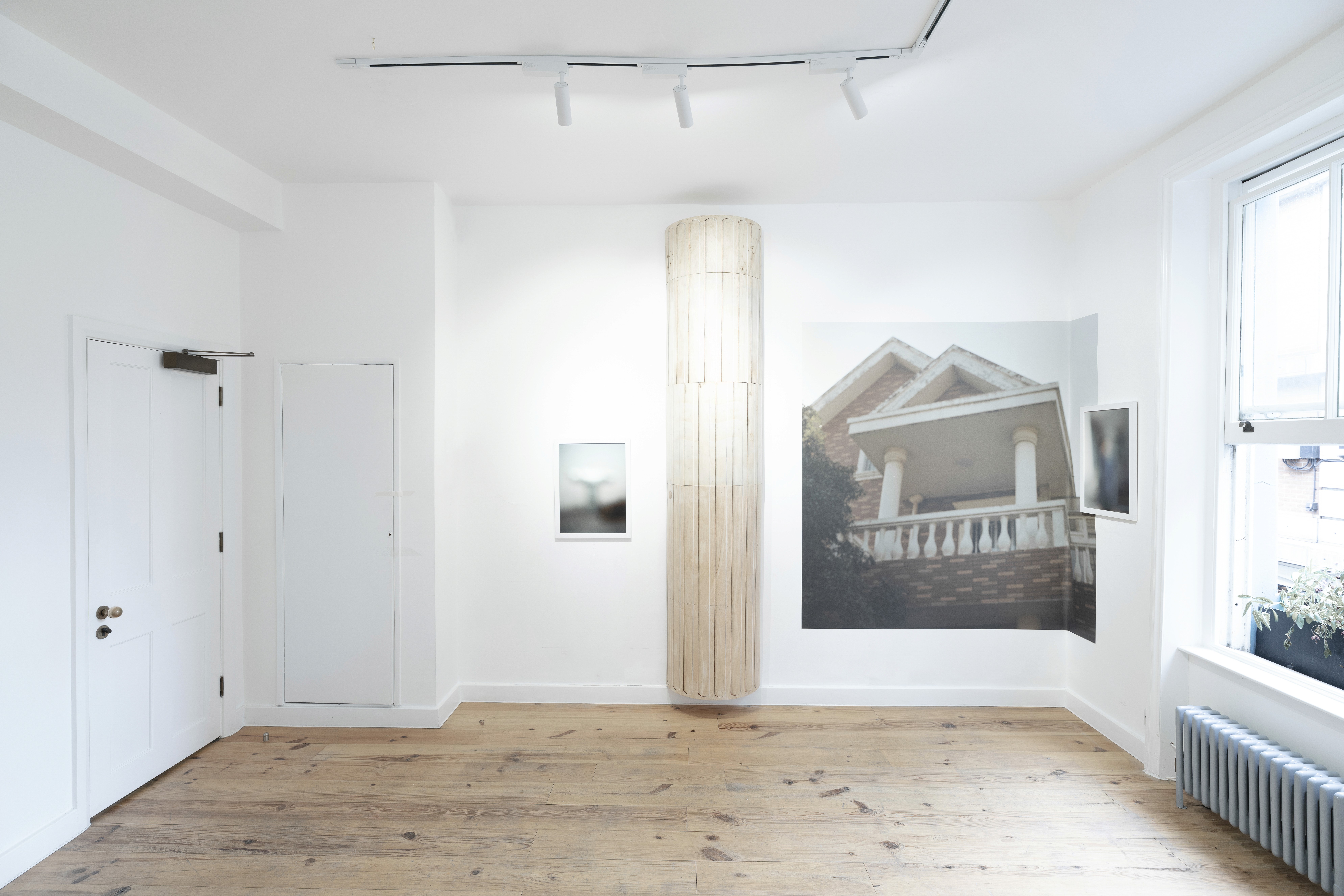
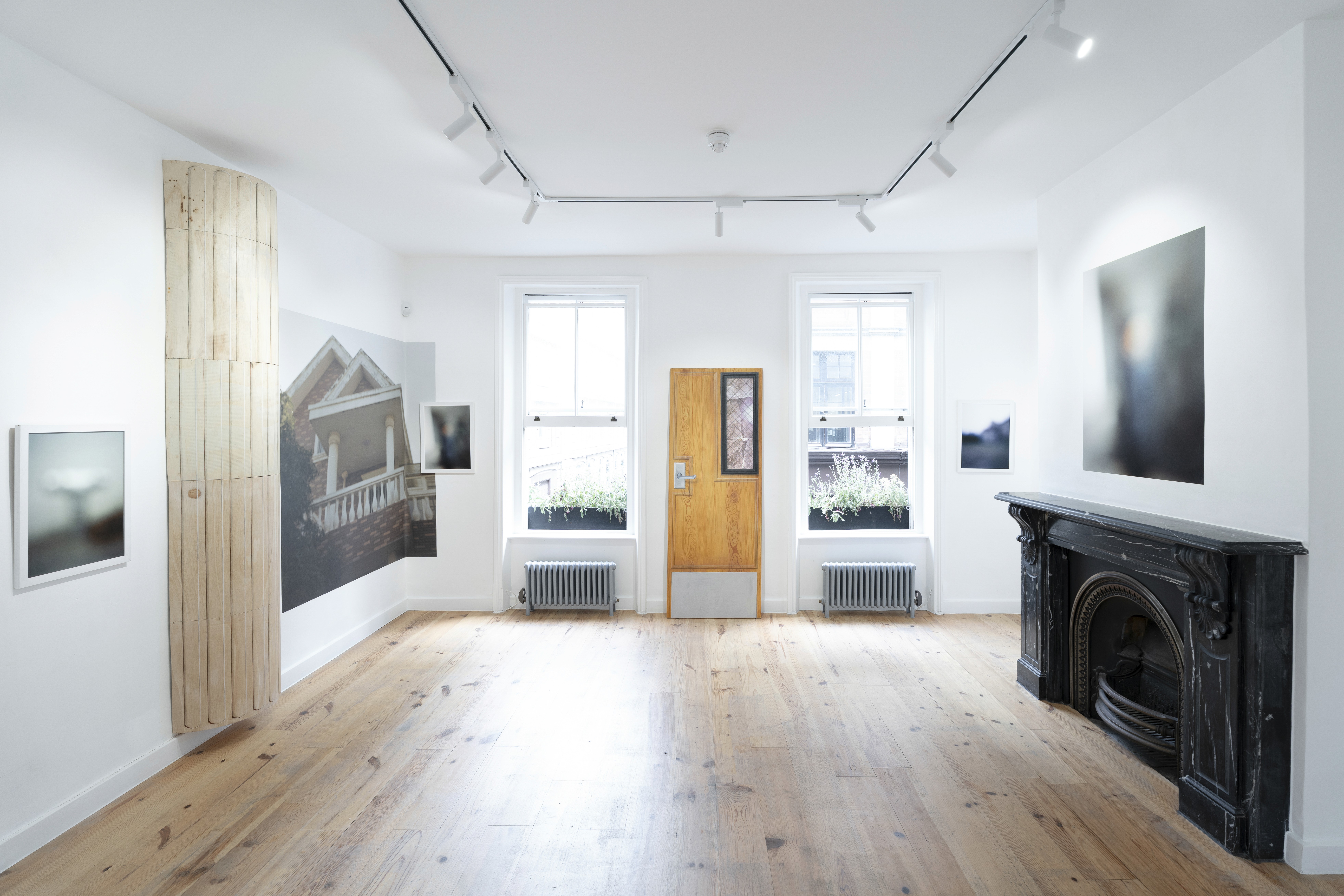
What makes a space legible—and what happens when it isn’t? Room we didn’t build brings together works by Lujane Pagganwala, Maya Silverberg, and Tom Xiangyin Gu, each of whom engages with space not as a container of meaning, but as something unstable, porous, and continually reconstituted through perception, memory, and material gesture. These artists do not construct spaces so much as reveal the unseen architectures—psychic, cultural, and affective—that shape our experience of them.

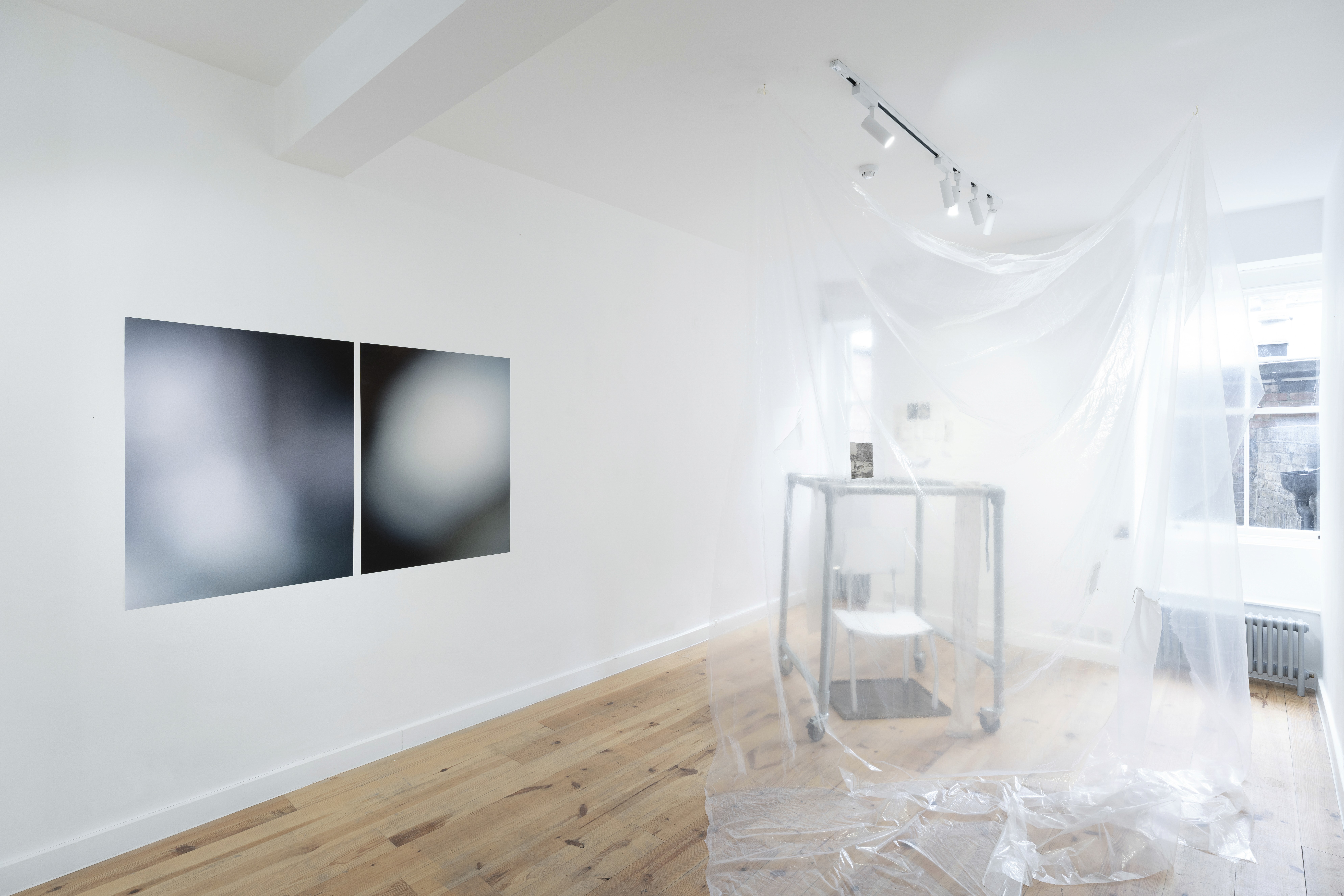
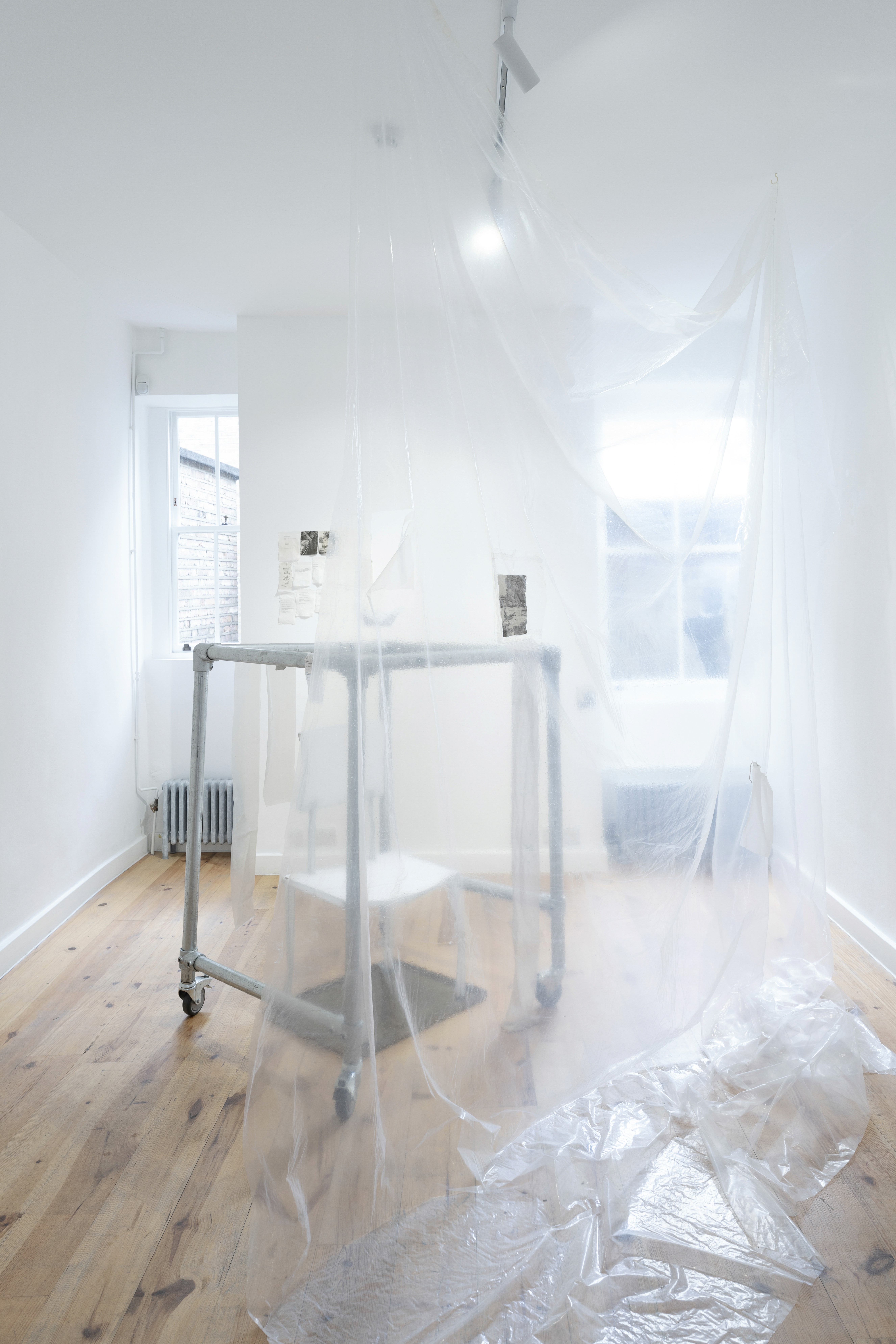
As with much of Pagganwala’s practice, elements from earlier works reappear in Poldy and the Wagtail (2025)—fragments of materials, gestures, or architecture—carrying with them residues of past installations and layering time within the present. The title draws from her childhood book she reencountered after the spontaneous recollection of a wagtail bird, triggered in conversation with her father. Drawings from the book, along with notes jotted in passing moments are printed on white muslin fabric and dispersed throughout the structure. The result is what she terms Flash Spaces: liminal constellations where physical, remembered, and imagined dimensions fold into one another. Water brought from Karachi acts as a poetic undertone—an invisible tether to a city where the sea is sensed everywhere, through scent, sound, and air. As the installation unfolds over time, the water gradually soaks the muslin fabric, while rust bleeds into the surface. This slow material transformation renders the space itself unstable—always in flux—enacting entanglement not as a fixed concept, but as a process of becoming.

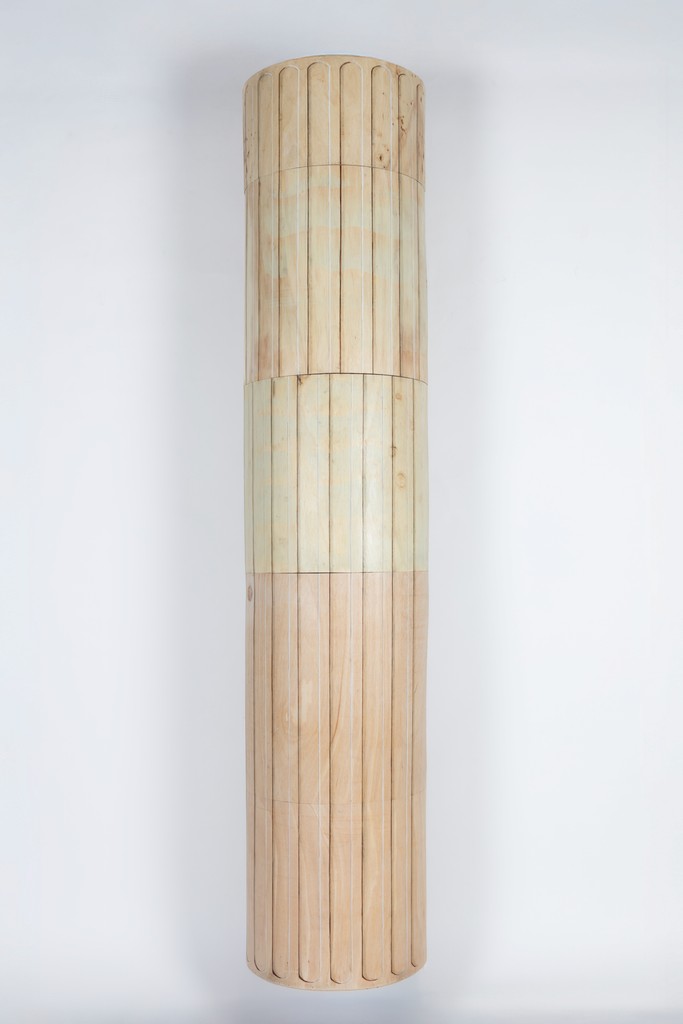
If Pagganwala’s practice renders spatial phenomena through transience and entanglement, Silverberg’s work probes the opposite edge: how images, especially those tied to built interiors and decorative conventions, deceive their surface legibility. Trained in trompe l’œil and informed by a deep engagement with craft, Silverberg constructs layered, perspectival objects that interrogate painting’s oscillation between illusion and material fact. Her works composed from original sculpture, faux finishes, screenprint, and readymade components—simulate and destabilize in the same breath. They expose the seams of representation, calling attention to the ways images are staged, built, and inhabited. In Silverberg’s hands, the image is not an end point but a recursive mechanism—each work folds back into itself, part object, part imitation, part theatre set awaiting occupation.

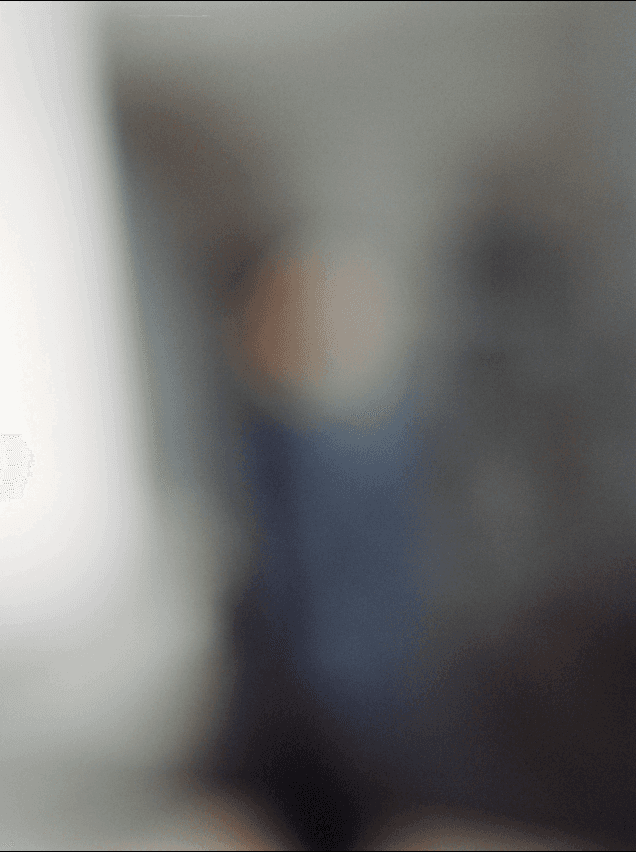
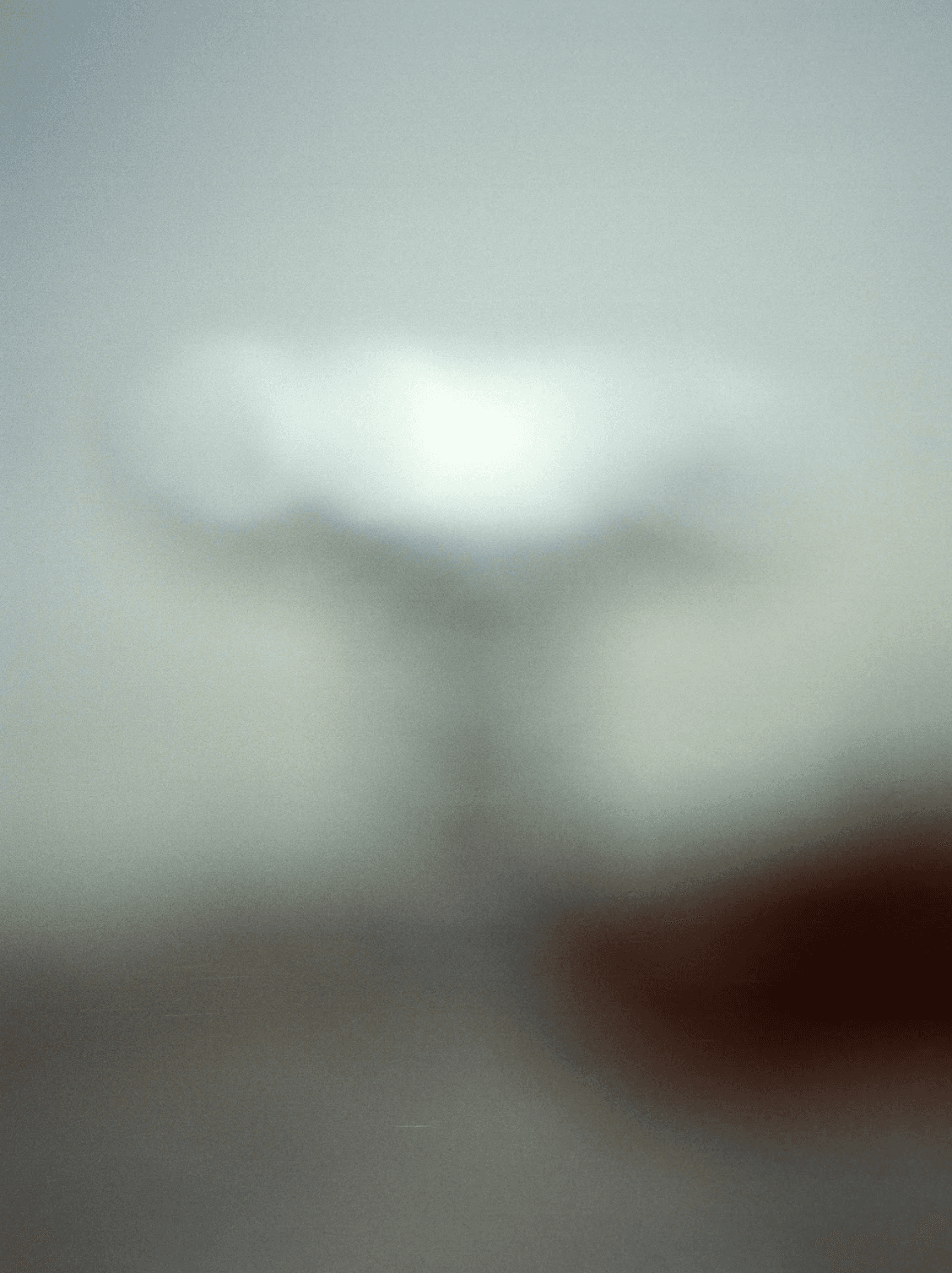
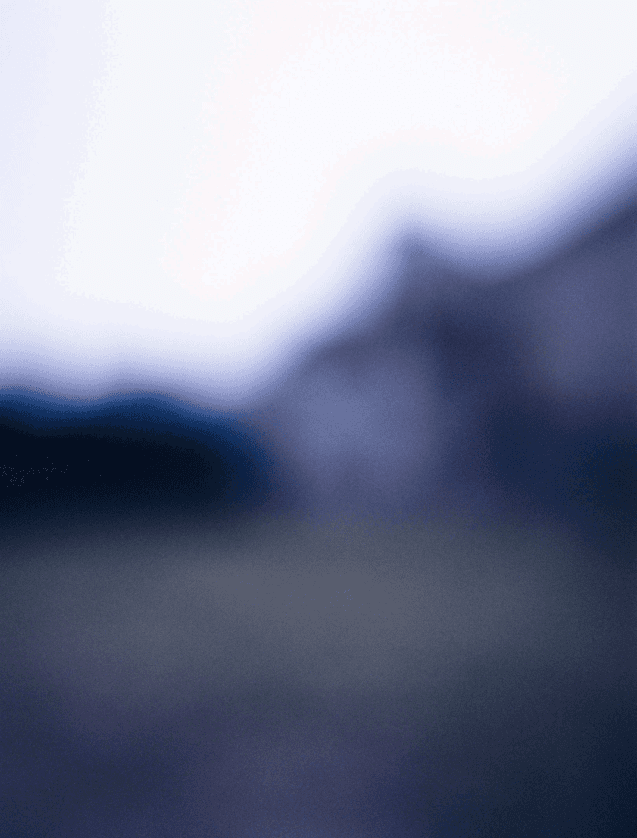
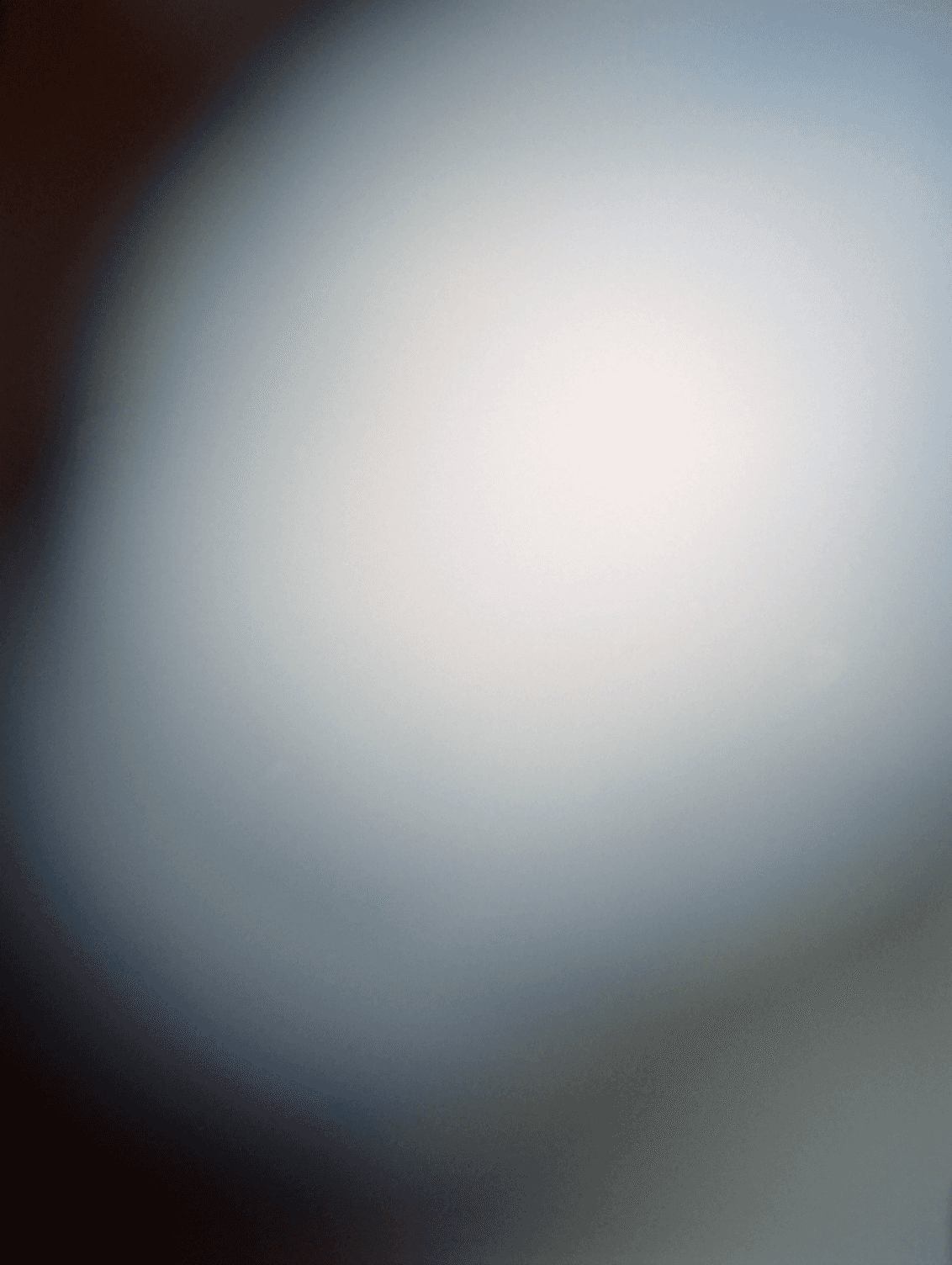
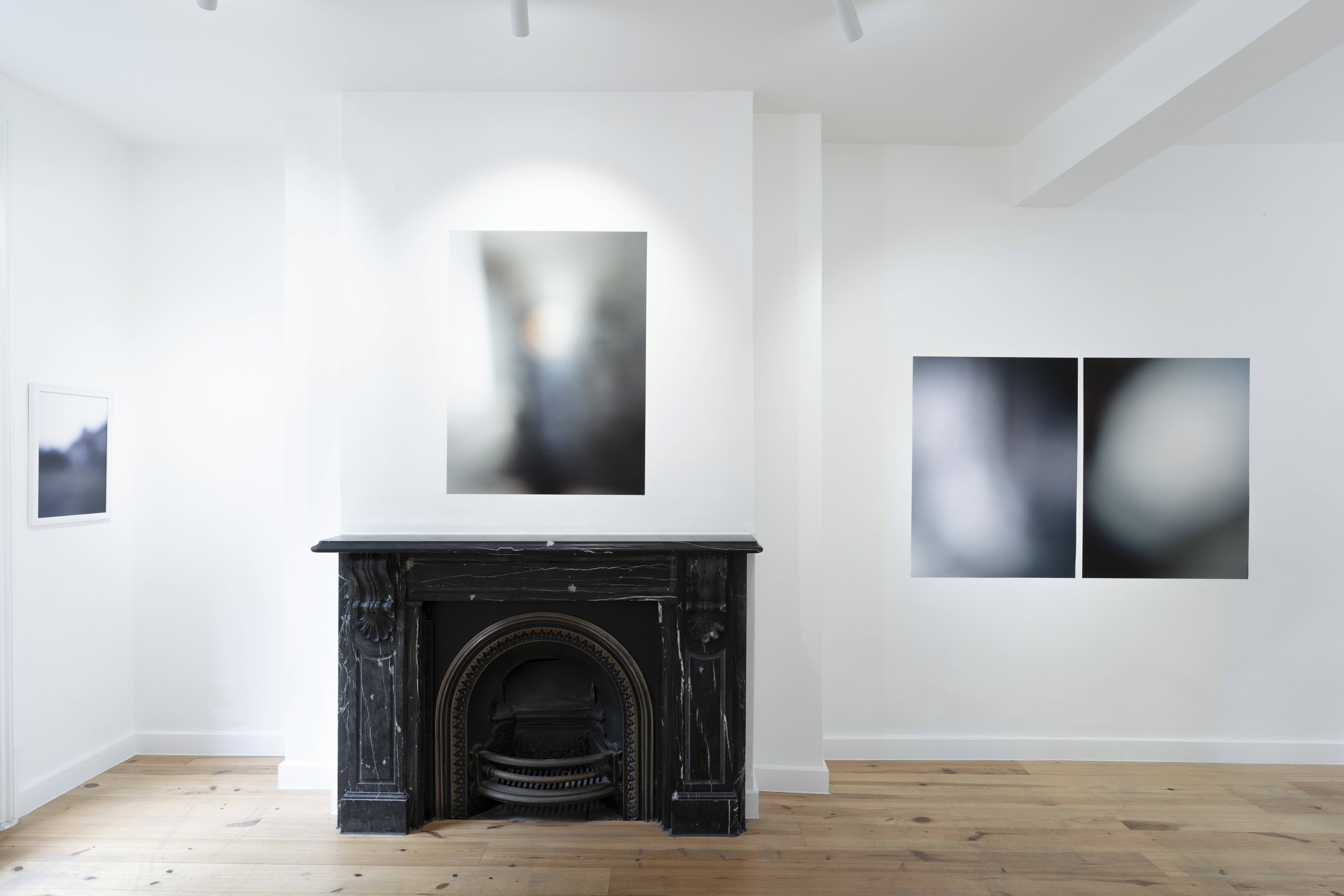
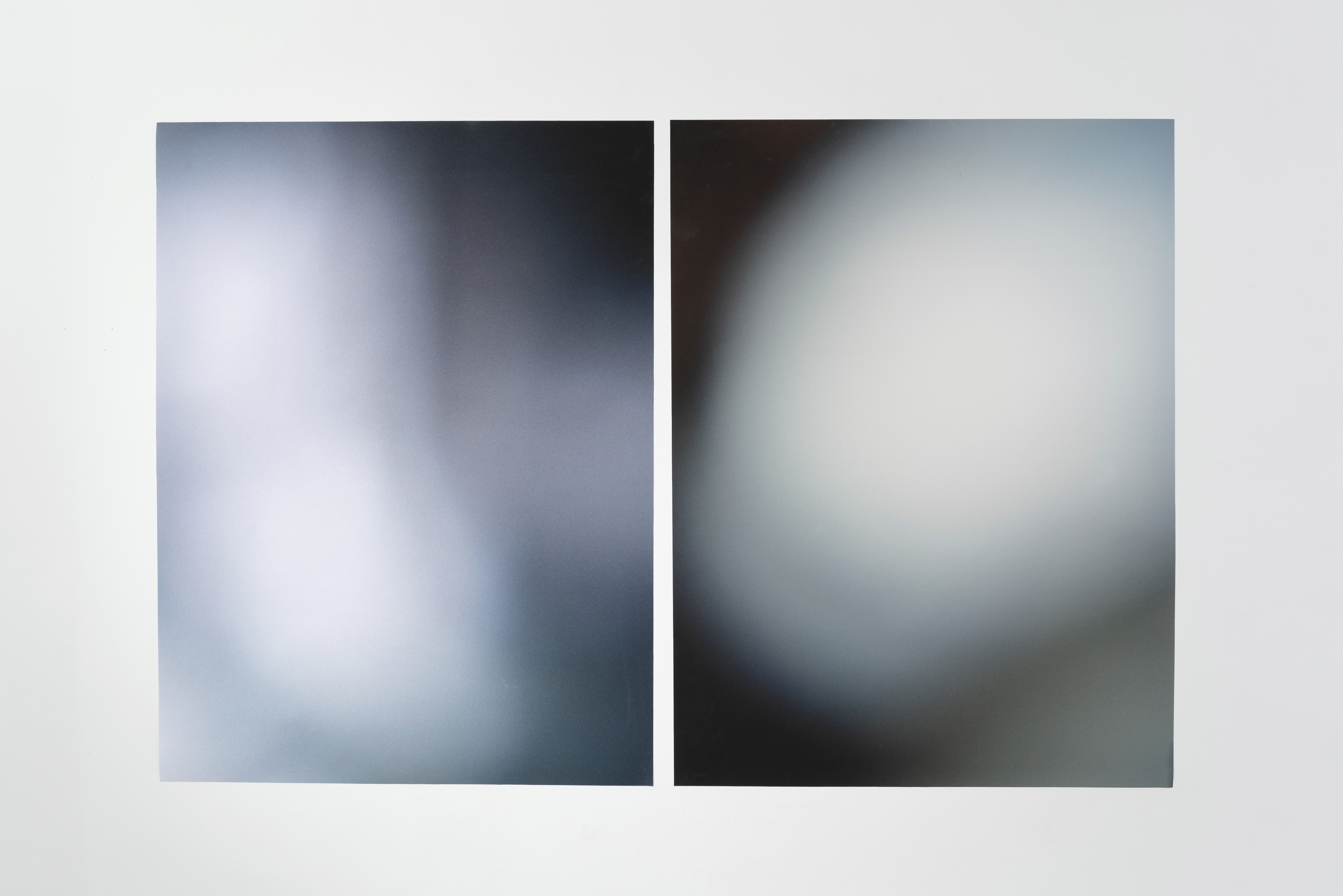
Gu approaches spatiality through the quiet erosion of photographic memory where his series Failure of Memory emerged from a camera malfunction, which produced blurred, unfocused images of his family home. Images that, rather than being discarded, became central to his inquiry. Drawing on psychoanalytic theory, Gu treats this technical failure not as error but as metaphor: a photographic equivalent of Freud’s screen memory, where distortion becomes a mode of access to the unconscious. Gu explained that the camera is a cruel representation of the world: too honest, too precise, offering no space for doubt. By contrast, the malfunction camera introduced ambiguity, allowing him to explore memory as something unstable, recursive, and emotionally charged. The uninhabited rooms and architectural motifs dissolve into gradients of light and form, evoking the inarticulable nature of recollection. Drawing on psychoanalytic theory, Gu treats this technical failure not as error but as metaphor—a photographic equivalent of Freud’s screen memory, where distortion becomes a mode of access to the unconscious. The uninhabited rooms and architectural motifs dissolve into gradients of light and form, evoking the inarticulable nature of recollection. Photography, in Gu’s practice, is not a vehicle for clarity but a site of atmospheric doubt. His prints function less as representations than as emotional temperatures—measuring what is left behind after vision fails. Like memories that shift with each recall, Gu’s works carry a mournful elasticity, insisting that what matters in the image is not its accuracy, but its persistence.

The exhibition dwells in spatial residue—in echoes, scaffolds, and surfaces that do not resolve into certainty. These are rooms we didn’t build: unstable architectures of affect, illusion, and time.
Flatmates 37 opens with SOFT SERVE, a group exhibition bringing together five artists whose practices consider belonging, vulnerability, material memory and the unstable boundaries between bodies, objects and places.


Shared by NORITO, starch and Teaspoon Projects, Flatmates 37 takes its name and structure seriously: three independent programmes inhabiting one space. Rather than operating as a gallery with a singular curatorial voice, it is conceived as a place of cohabitation — a rotating programme of exhibitions by each of its three ‘flatmates’, punctuated by collective exhibitions such as SOFT SERVE.

The exhibition begins with a contemporary idea of home as something increasingly personal, shared and abstract. In cosmopolitan lives, home is often less tied to a single place than to people, habits, objects, memories and temporary forms of belonging. Across the works, home is inherited, withheld, reconstructed and carried between places, shaped as much by displacement as by intimacy. Familiar materials and forms become slightly strange, reflecting the instability of belonging when home is something we continually make, lose and remake.

SOFT SERVE also proposes a way of thinking about hospitality. Flatmates 37 is interested in forms of gathering that do not depend on a singular host or centre. Instead, hospitality becomes reciprocal: a willingness to make room for different positions, to relinquish control, and to create conditions in which uncertainty and vulnerability are not treated as weaknesses. The exhibition embraces this instability — between host and guest, belonging and estrangement, protection and exposure, the organic and the manufactured.


London-based Venezuelan artist Francisca Sosa López explores materiality and process through shifting definitions of home, migration, femininity and cultural contrast. Working with materials that can travel back and forth across the Atlantic, she extends drawing into thread, beads and textile, making portability part of the work’s relationship to place. In Bamboleo de detalles ambigüos (Swaying of Ambiguous Details), a Margarita hammock becomes both painting and object. Weaving, repetition and intervention bring forms of making historically associated with women into dialogue with the language of painting, while the hammock itself hovers between domestic utility, memory and exhibition object.

This sense of home as something carried, inherited and never entirely secure also runs through Cansu Yıldıran’s Dispossessed series. Made in the Kuşmer Highlands in northern Turkey, where their family has roots, the photographs emerge from a landscape to which Yıldıran is deeply connected yet cannot fully lay claim. Women, animals and the landscape form a collective presence within images that are tender and uncanny, marked by histories of gendered inheritance and dispossession. Yıldıran describes this condition as being “guests for life”: belonging intimately to a place while remaining, in some sense, outside it.

Questions of who or what occupies the centre shift again in Chok Si Xuan’s installations. Working with found electronics and industrial materials, Chok looks to cybernetics and the feedback systems connecting humans, living organisms and machines. Her environments resist a stable hierarchy between body and apparatus, organic and manufactured, allowing agency to circulate through the systems she constructs. If home can be understood as a network of relations rather than a fixed site, Chok pushes that network beyond the human, towards the objects, technologies and organisms with which we continually share space.

A related surrender of control appears in Ruijin Song’s approach to making. Working across painting, ceramics, metalwork and printmaking, Song describes the studio as an expanding inner ‘burrow’: intuitive, secretive and without a predetermined route. Images are layered, rotated and interrupted until familiar ways of seeing begin to loosen. Her sensitivity to death, labour and fragile forms of existence gives this process an emotional weight; vulnerability becomes less a subject to depict than a condition through which the work is allowed to emerge.

Mithra Jeevananthan’s practice explores speculative ecologies and chimeric spaces. Through sculpture and installation, she combines references to flora, fauna, insects, and biological systems with industrial materials such as welded metal, plastics, readymade objects, laser-cut elements, and fabricated structures. These fragments are distorted, reconstructed, and brought together to form unfamiliar habitats that resist fixed interpretation. The work considers how imagined environments might develop their own systems and relationships, creating spaces that feel simultaneously beautiful, unsettling, and difficult to classify. Welcome to My Island is an ongoing exploration of world-building through mutation, transformation, and the possibility of landscapes that exist somewhere between reality and fiction.


Together, the works in SOFT SERVE resist the idea that belonging requires certainty. They propose instead something gentler and more permeable: identities formed through contact, homes assembled from fragments, and spaces made meaningful through the people, materials and memories temporarily held within them.

As the first exhibition at Flatmates 37, SOFT SERVE makes its position clear: loosen the centre; belonging is something we make together.


Selected Works

Lujane Pagganwala
Poldy and the Wagtail, 2025
Mixed media installation
Size variable

Maya Silverberg
His ability to question, admonish, critique, 2025
Screen print, oil, and Sharpie on plywood
265 x 56 x 28 cm

Maya Silverberg
Rue de Metal 30, 2025
Oil and screenprint on canvas
201 x 75 cm

Xiangyin Gu
Mother, 2025
Inkjet print on Hahnemühle Rag
40 x 53 cm
Edition 1/6

Xiangyin Gu
Fountain, 2025
Inkjet print on Hahnemühle Rag
40 x 53.3 cm
Edition 1/6

Xiangyin Gu
House, 2025
Inkjet print on Hahnemühle Rag
40 x 53 cm
Edition 1/6

Xiangyin Gu
Untitled (No.2), 2025
Inkjet print on Hahnemühle Rag
40 x 53 cm
Edition 1/6

What makes a space legible—and what happens when it isn’t? Room we didn’t build brings together works by Lujane Pagganwala, Maya Silverberg, and Tom Xiangyin Gu, each of whom engages with space not as a container of meaning, but as something unstable, porous, and continually reconstituted through perception, memory, and material gesture. These artists do not construct spaces so much as reveal the unseen architectures—psychic, cultural, and affective—that shape our experience of them.

As with much of Pagganwala’s practice, elements from earlier works reappear in Poldy and the Wagtail (2025)—fragments of materials, gestures, or architecture—carrying with them residues of past installations and layering time within the present. The title draws from her childhood book she reencountered after the spontaneous recollection of a wagtail bird, triggered in conversation with her father. Drawings from the book, along with notes jotted in passing moments are printed on white muslin fabric and dispersed throughout the structure. The result is what she terms Flash Spaces: liminal constellations where physical, remembered, and imagined dimensions fold into one another. Water brought from Karachi acts as a poetic undertone—an invisible tether to a city where the sea is sensed everywhere, through scent, sound, and air. As the installation unfolds over time, the water gradually soaks the muslin fabric, while rust bleeds into the surface. This slow material transformation renders the space itself unstable—always in flux—enacting entanglement not as a fixed concept, but as a process of becoming.

If Pagganwala’s practice renders spatial phenomena through transience and entanglement, Silverberg’s work probes the opposite edge: how images, especially those tied to built interiors and decorative conventions, deceive their surface legibility. Trained in trompe l’œil and informed by a deep engagement with craft, Silverberg constructs layered, perspectival objects that interrogate painting’s oscillation between illusion and material fact. Her works composed from original sculpture, faux finishes, screenprint, and readymade components—simulate and destabilize in the same breath. They expose the seams of representation, calling attention to the ways images are staged, built, and inhabited. In Silverberg’s hands, the image is not an end point but a recursive mechanism—each work folds back into itself, part object, part imitation, part theatre set awaiting occupation.

Gu approaches spatiality through the quiet erosion of photographic memory where his series Failure of Memory emerged from a camera malfunction, which produced blurred, unfocused images of his family home. Images that, rather than being discarded, became central to his inquiry. Drawing on psychoanalytic theory, Gu treats this technical failure not as error but as metaphor: a photographic equivalent of Freud’s screen memory, where distortion becomes a mode of access to the unconscious. Gu explained that the camera is a cruel representation of the world: too honest, too precise, offering no space for doubt. By contrast, the malfunction camera introduced ambiguity, allowing him to explore memory as something unstable, recursive, and emotionally charged. The uninhabited rooms and architectural motifs dissolve into gradients of light and form, evoking the inarticulable nature of recollection. Drawing on psychoanalytic theory, Gu treats this technical failure not as error but as metaphor—a photographic equivalent of Freud’s screen memory, where distortion becomes a mode of access to the unconscious. The uninhabited rooms and architectural motifs dissolve into gradients of light and form, evoking the inarticulable nature of recollection. Photography, in Gu’s practice, is not a vehicle for clarity but a site of atmospheric doubt. His prints function less as representations than as emotional temperatures—measuring what is left behind after vision fails. Like memories that shift with each recall, Gu’s works carry a mournful elasticity, insisting that what matters in the image is not its accuracy, but its persistence.

The exhibition dwells in spatial residue—in echoes, scaffolds, and surfaces that do not resolve into certainty. These are rooms we didn’t build: unstable architectures of affect, illusion, and time.
Mailing List

Opening Hours

Wed–Fri: 12 – 6 PM

Saturday: 12 – 6 PM

Sun–Tue: Closed

Get In Touch

NORITO

1st Floor, 37 Foley Street

W1W 7TN

info@noritogallery.com

NORITO © 2026

Mailing List

Opening Hours

Wed–Fri: 12 – 6 PM

Saturday: 12 – 6 PM

Sun–Tue: Closed

Get In Touch

NORITO

1st Floor, 37 Foley Street

W1W 7TN

info@noritogallery.com

NORITO © 2026

Mailing List

Opening Hours

Wed–Fri: 12 – 6 PM

Saturday: 12 – 6 PM

Sun–Tue: Closed

Get In Touch

NORITO

1st Floor, 37 Foley Street

W1W 7TN

info@noritogallery.com

NORITO © 2026