Flatmates 37 opens with SOFT SERVE, a group exhibition bringing together five artists whose practices consider belonging, vulnerability, material memory and the unstable boundaries between bodies, objects and places.
Shared by NORITO, starch and Teaspoon Projects, Flatmates 37 takes its name and structure seriously: three independent programmes inhabiting one space. Rather than operating as a gallery with a singular curatorial voice, it is conceived as a place of cohabitation — a rotating programme of exhibitions by each of its three ‘flatmates’, punctuated by collective exhibitions such as SOFT SERVE.
The exhibition begins with a contemporary idea of home as something increasingly personal, shared and abstract. In cosmopolitan lives, home is often less tied to a single place than to people, habits, objects, memories and temporary forms of belonging. Across the works, home is inherited, withheld, reconstructed and carried between places, shaped as much by displacement as by intimacy. Familiar materials and forms become slightly strange, reflecting the instability of belonging when home is something we continually make, lose and remake.
SOFT SERVE also proposes a way of thinking about hospitality. Flatmates 37 is interested in forms of gathering that do not depend on a singular host or centre. Instead, hospitality becomes reciprocal: a willingness to make room for different positions, to relinquish control, and to create conditions in which uncertainty and vulnerability are not treated as weaknesses. The exhibition embraces this instability — between host and guest, belonging and estrangement, protection and exposure, the organic and the manufactured.
London-based Venezuelan artist Francisca Sosa López explores materiality and process through shifting definitions of home, migration, femininity and cultural contrast. Working with materials that can travel back and forth across the Atlantic, she extends drawing into thread, beads and textile, making portability part of the work’s relationship to place. In Bamboleo de detalles ambigüos (Swaying of Ambiguous Details), a Margarita hammock becomes both painting and object. Weaving, repetition and intervention bring forms of making historically associated with women into dialogue with the language of painting, while the hammock itself hovers between domestic utility, memory and exhibition object.
This sense of home as something carried, inherited and never entirely secure also runs through Cansu Yıldıran’s Dispossessed series. Made in the Kuşmer Highlands in northern Turkey, where their family has roots, the photographs emerge from a landscape to which Yıldıran is deeply connected yet cannot fully lay claim. Women, animals and the landscape form a collective presence within images that are tender and uncanny, marked by histories of gendered inheritance and dispossession. Yıldıran describes this condition as being “guests for life”: belonging intimately to a place while remaining, in some sense, outside it.
Questions of who or what occupies the centre shift again in Chok Si Xuan’s installations. Working with found electronics and industrial materials, Chok looks to cybernetics and the feedback systems connecting humans, living organisms and machines. Her environments resist a stable hierarchy between body and apparatus, organic and manufactured, allowing agency to circulate through the systems she constructs. If home can be understood as a network of relations rather than a fixed site, Chok pushes that network beyond the human, towards the objects, technologies and organisms with which we continually share space.
A related surrender of control appears in Ruijin Song’s approach to making. Working across painting, ceramics, metalwork and printmaking, Song describes the studio as an expanding inner ‘burrow’: intuitive, secretive and without a predetermined route. Images are layered, rotated and interrupted until familiar ways of seeing begin to loosen. Her sensitivity to death, labour and fragile forms of existence gives this process an emotional weight; vulnerability becomes less a subject to depict than a condition through which the work is allowed to emerge.
Mithra Jeevananthan’s practice explores speculative ecologies and chimeric spaces. Through sculpture and installation, she combines references to flora, fauna, insects, and biological systems with industrial materials such as welded metal, plastics, readymade objects, laser-cut elements, and fabricated structures. These fragments are distorted, reconstructed, and brought together to form unfamiliar habitats that resist fixed interpretation. The work considers how imagined environments might develop their own systems and relationships, creating spaces that feel simultaneously beautiful, unsettling, and difficult to classify. Welcome to My Island is an ongoing exploration of world-building through mutation, transformation, and the possibility of landscapes that exist somewhere between reality and fiction.
Together, the works in SOFT SERVE resist the idea that belonging requires certainty. They propose instead something gentler and more permeable: identities formed through contact, homes assembled from fragments, and spaces made meaningful through the people, materials and memories temporarily held within them.
As the first exhibition at Flatmates 37, SOFT SERVE makes its position clear: loosen the centre; belonging is something we make together.
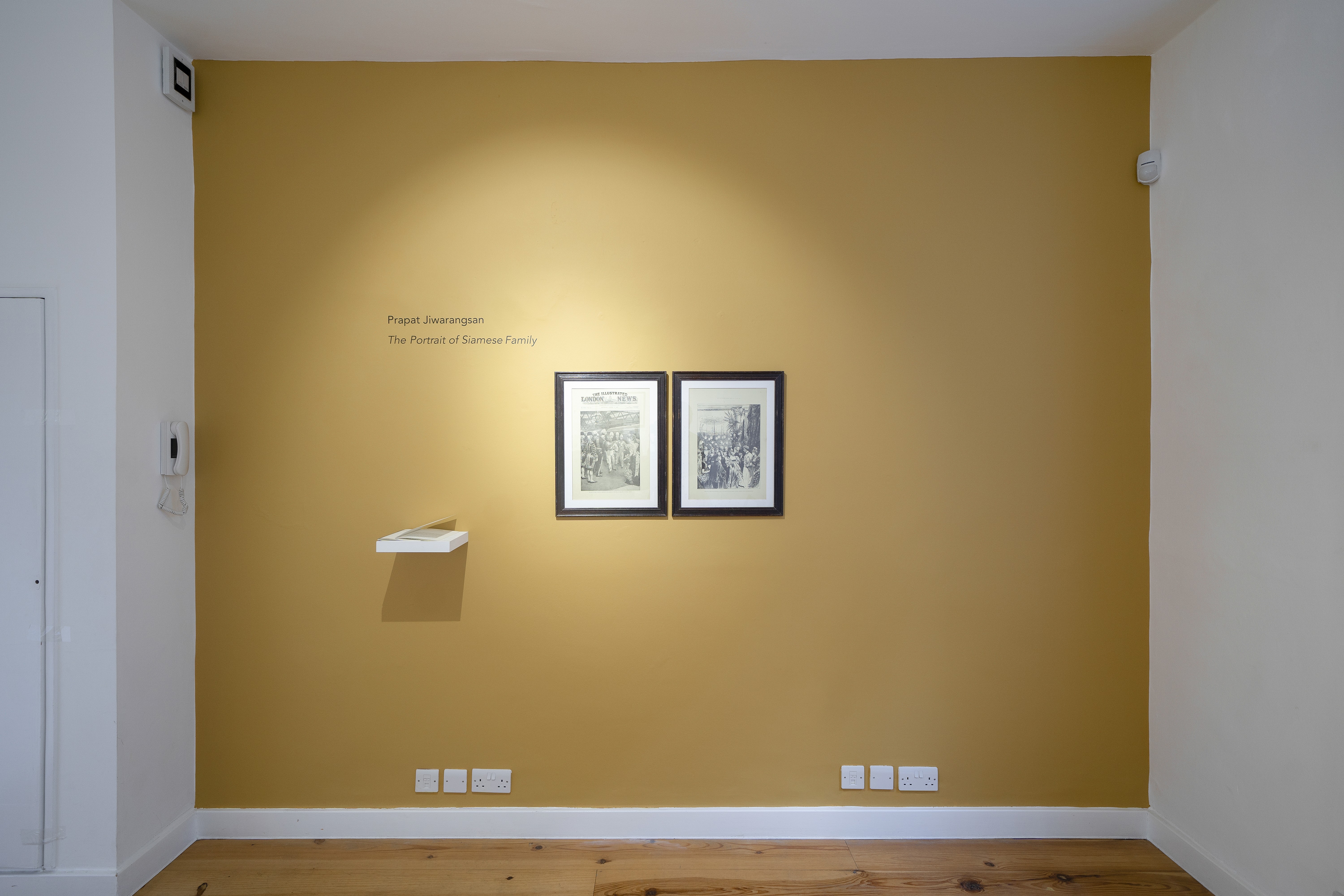
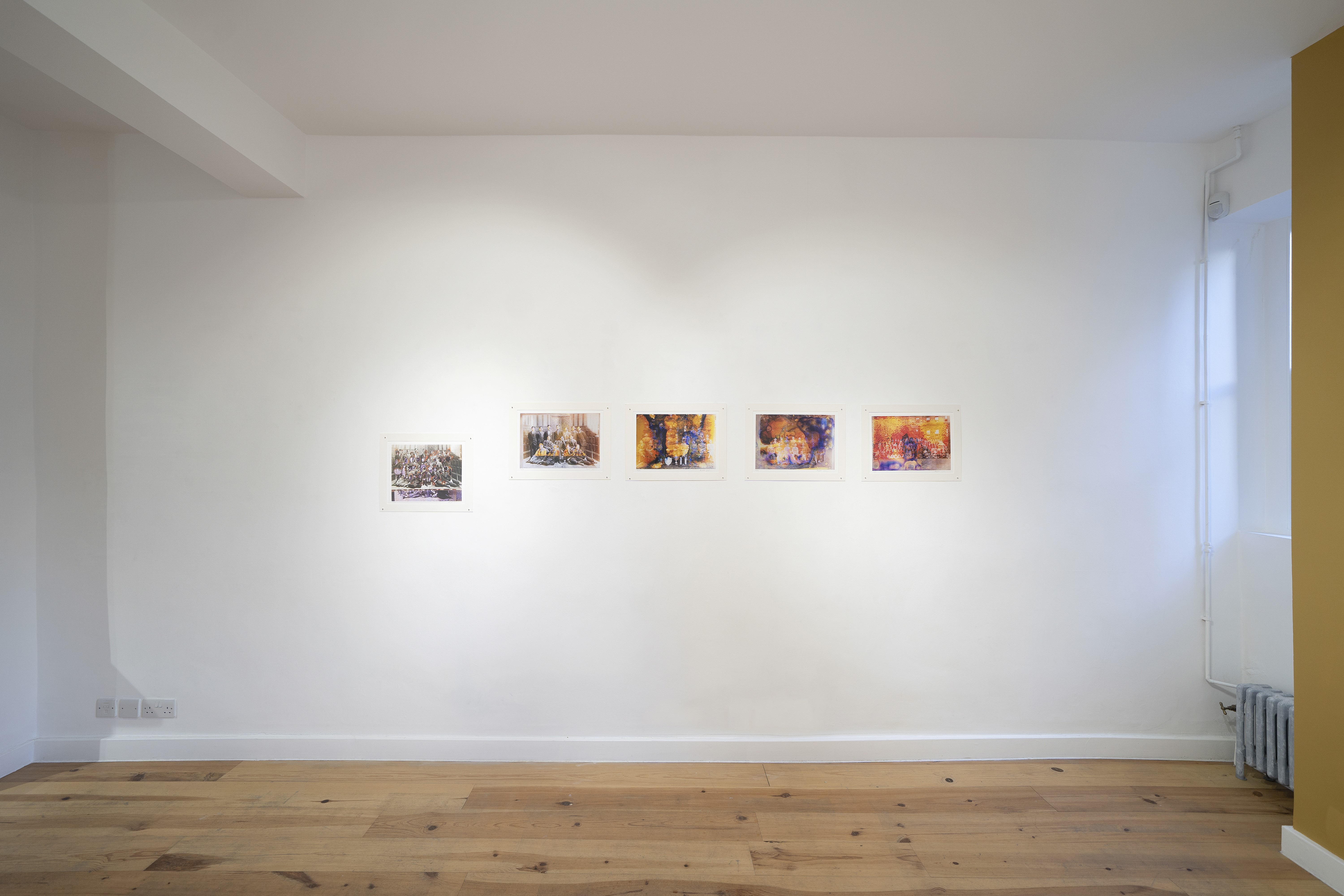
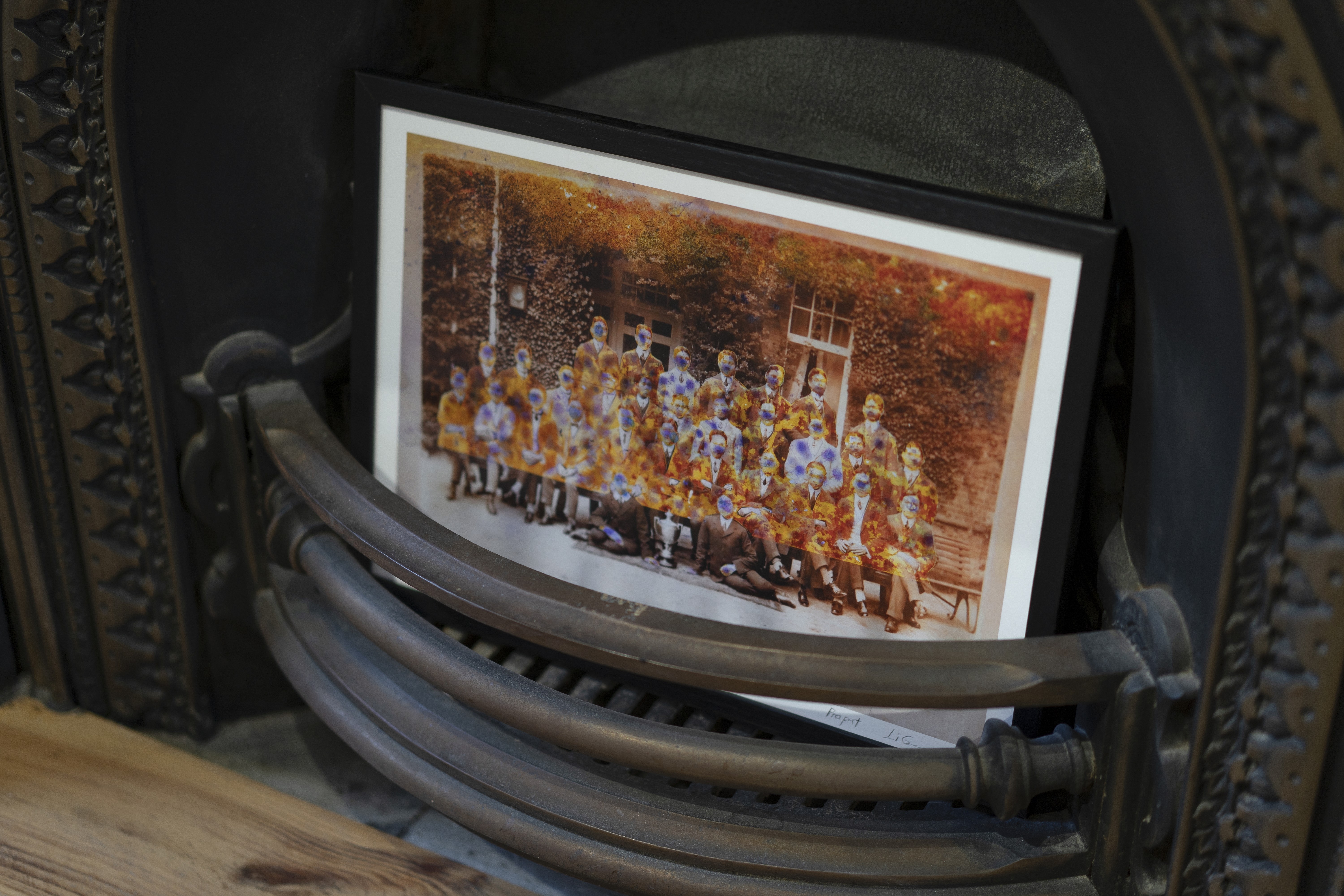
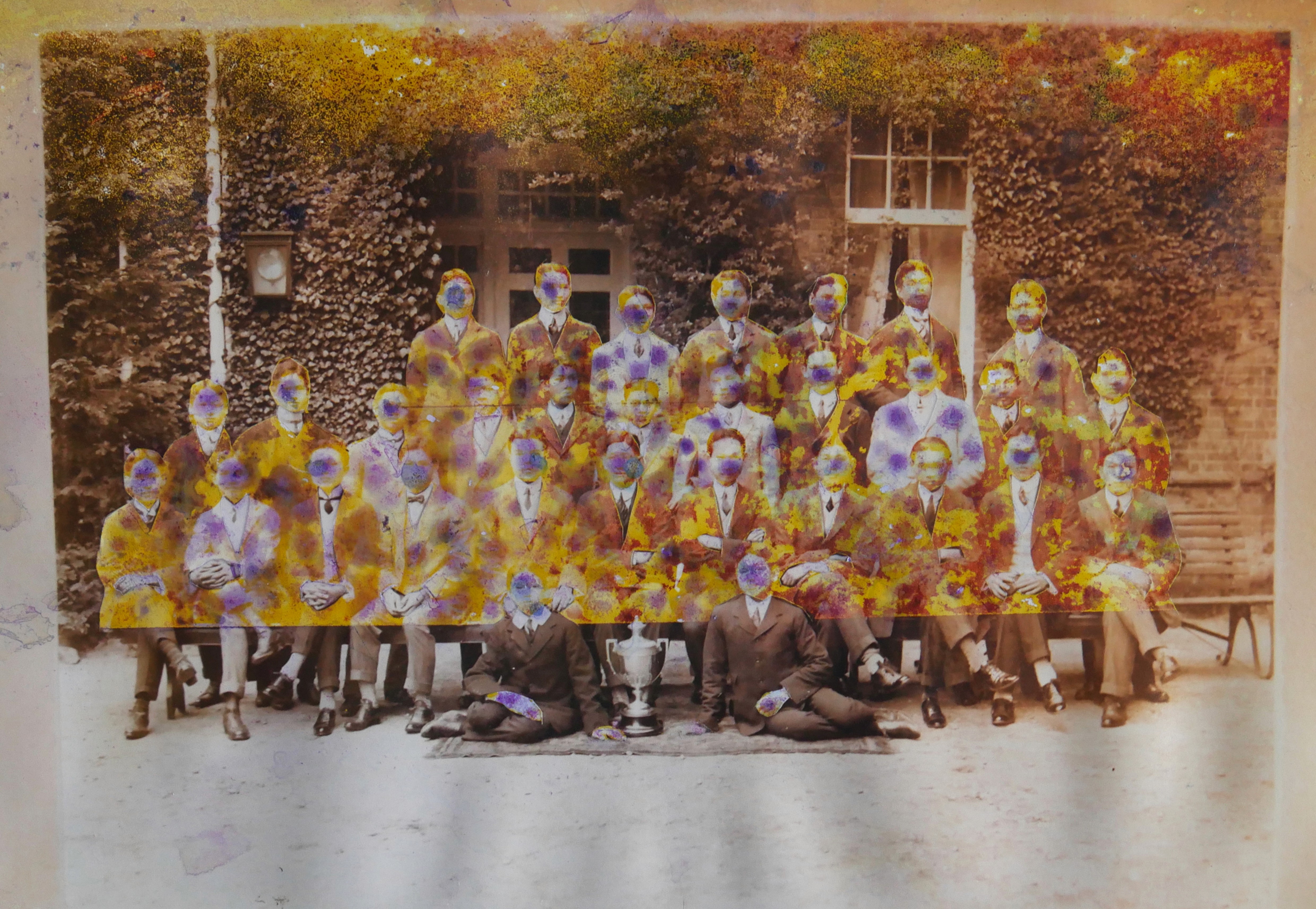
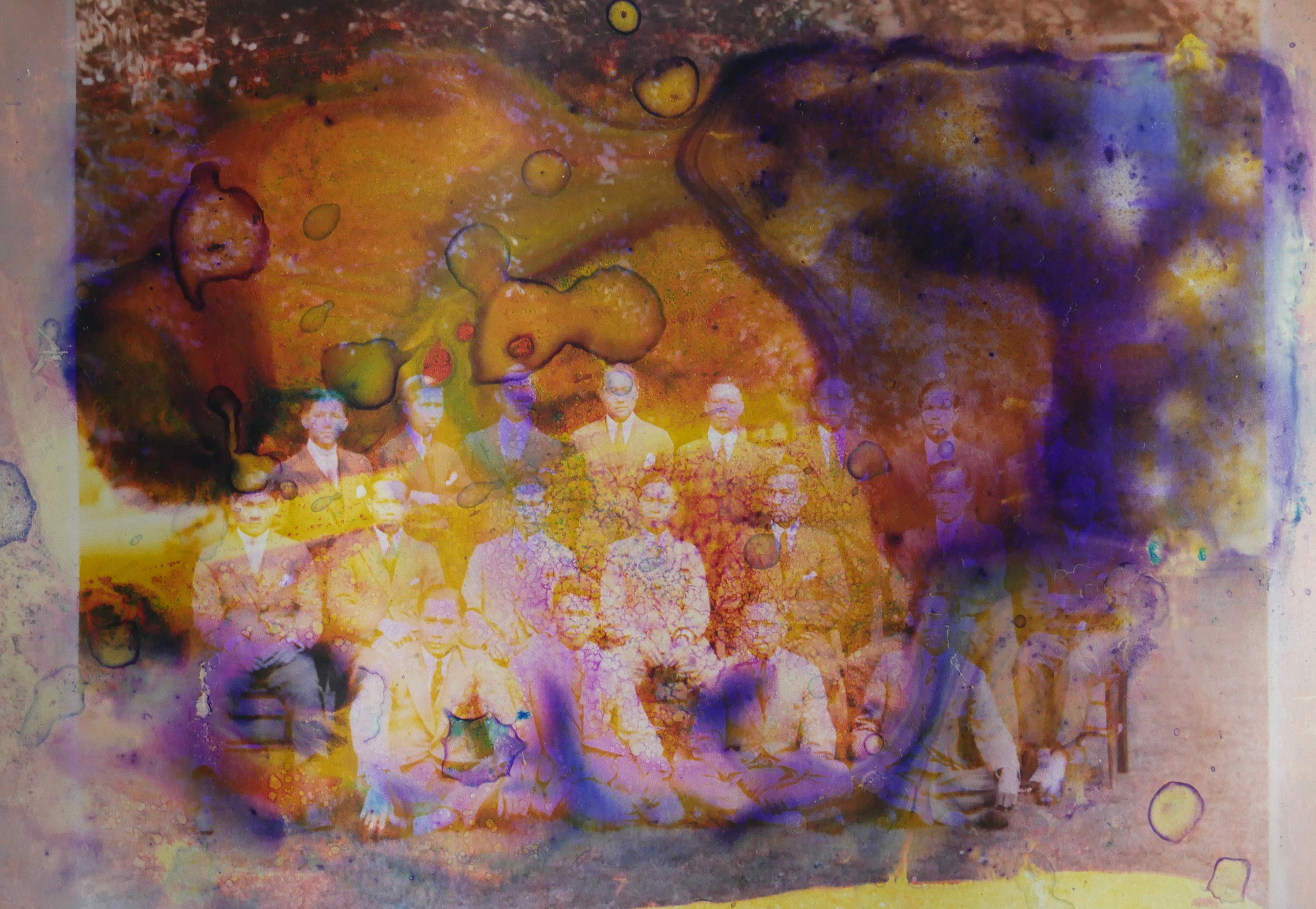
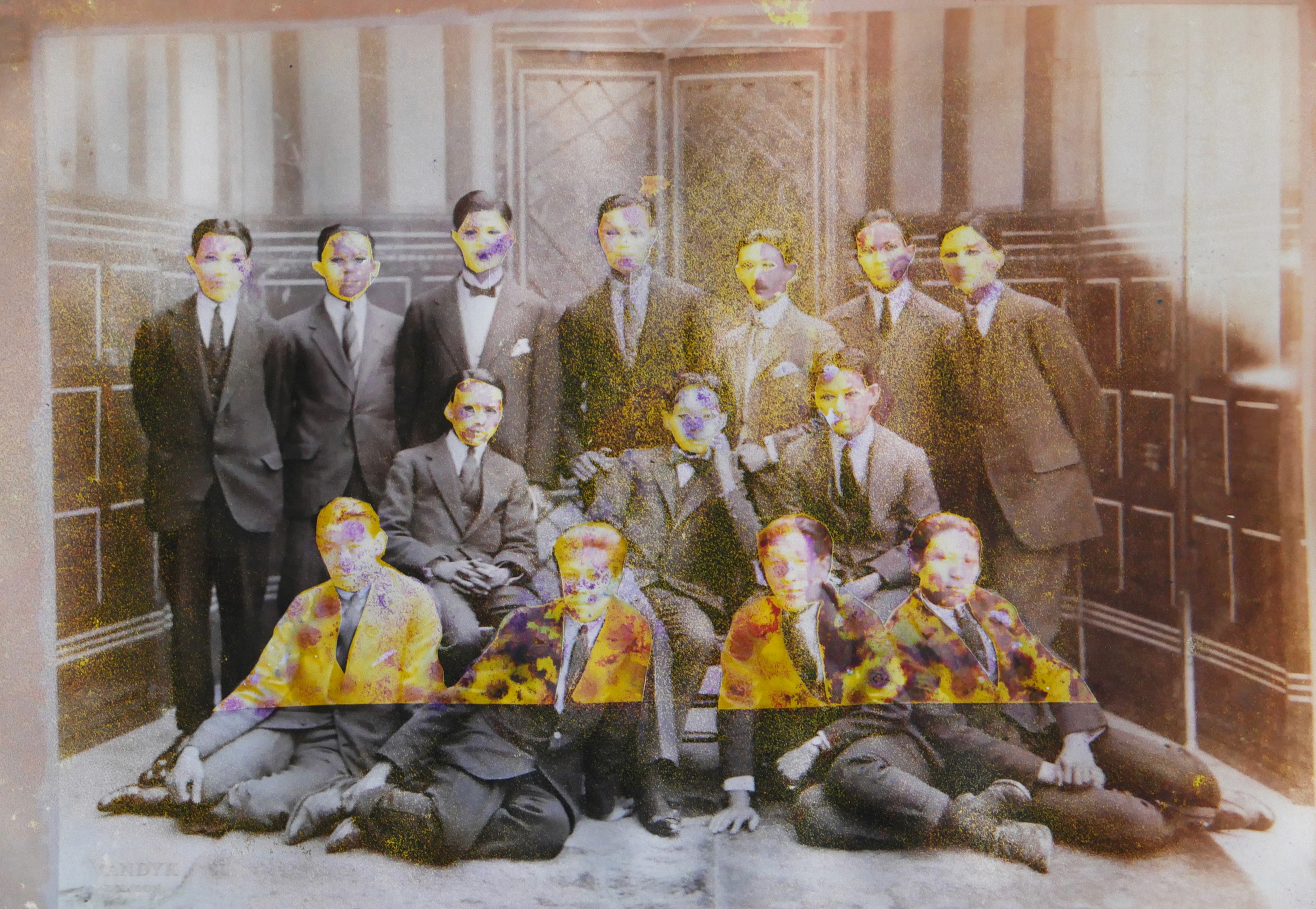
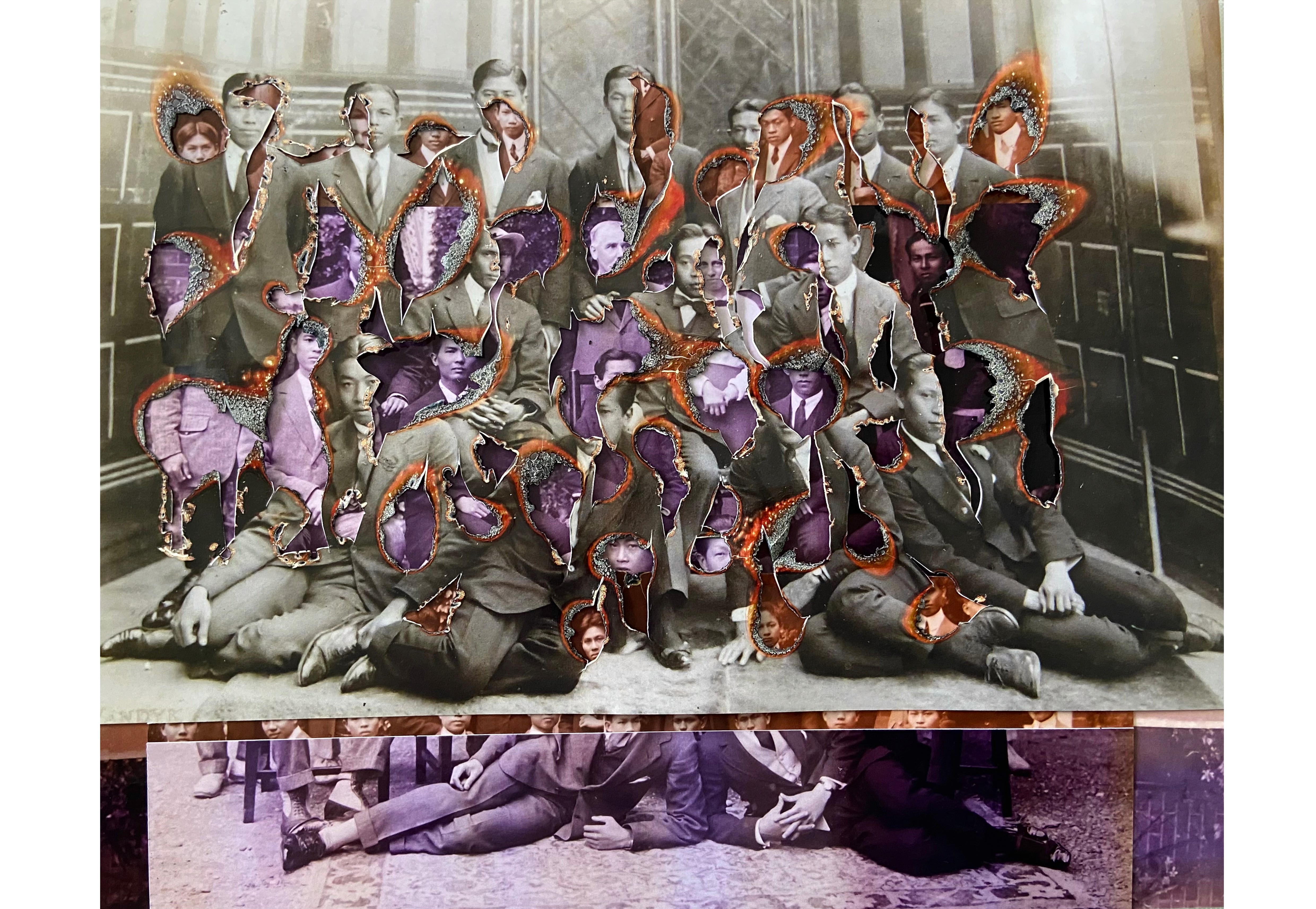
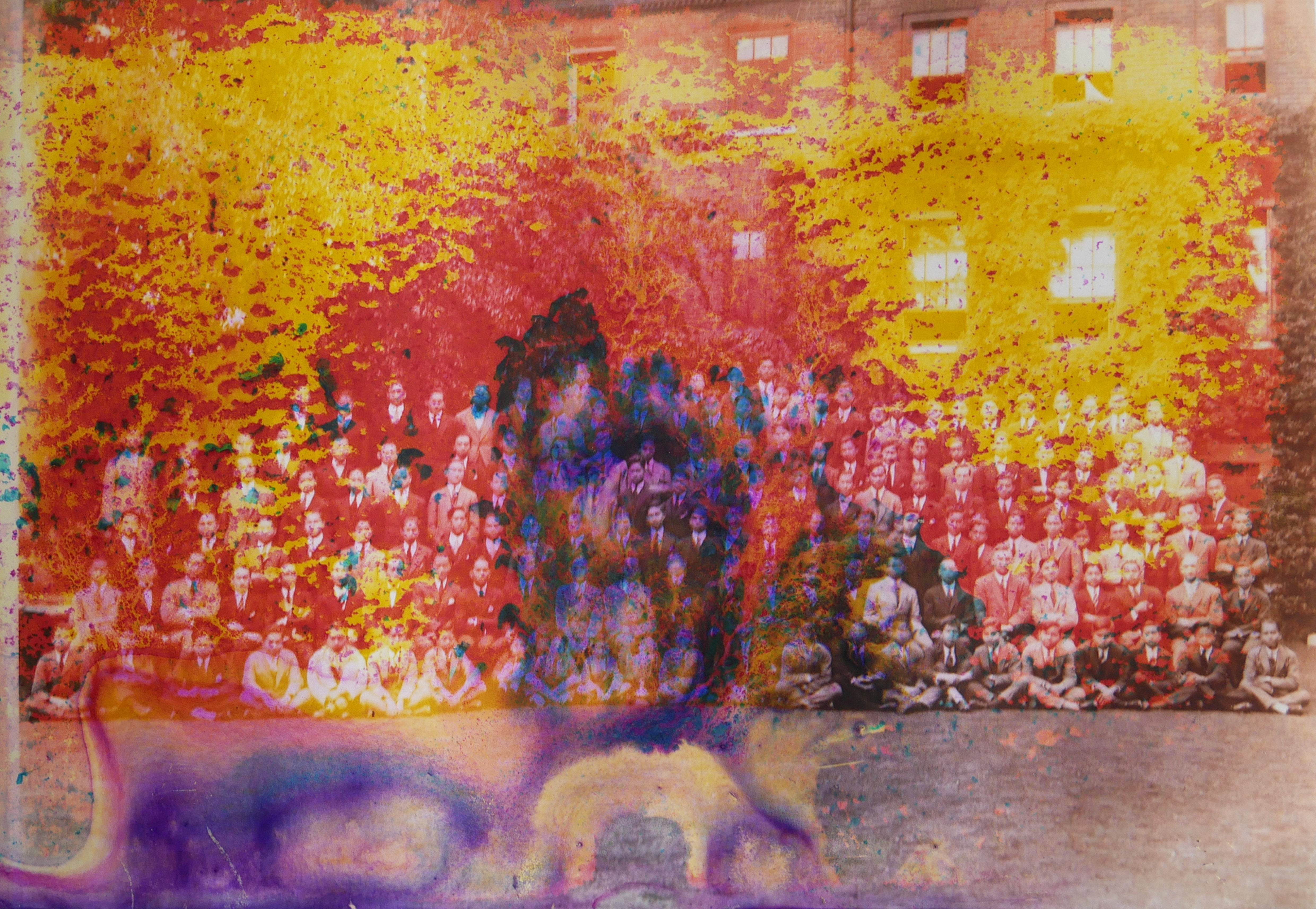
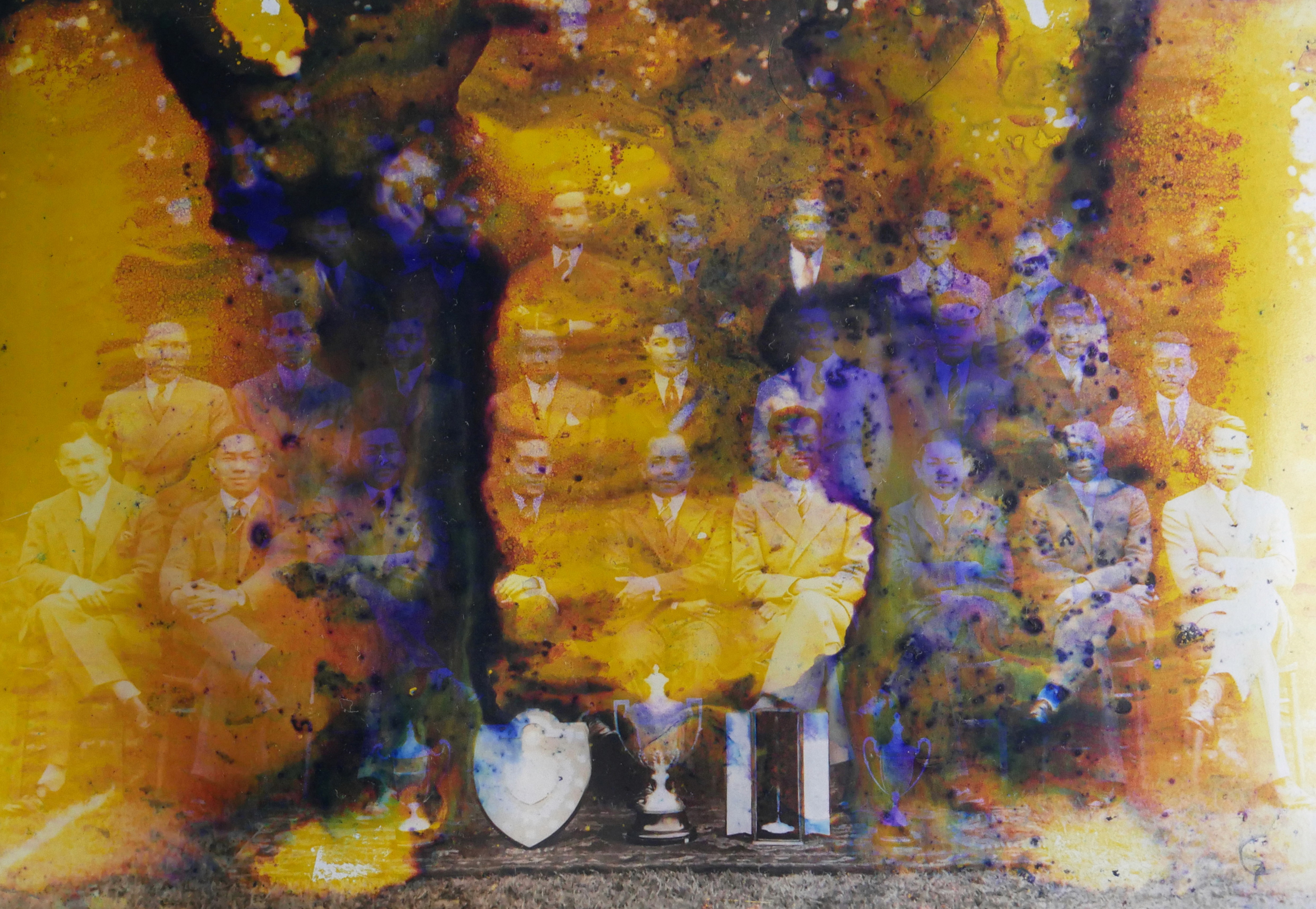
Thailand, once known as Siam until 1939, invokes the image of buddhist temples, Siamese cats, lush seaside jungle and backdrop of rice paddy reflecting an agrarian society under absolute monarchy. Behind the imagery lies a nuanced narrative of transformation into a modern nation which is contrasting to the men in these images of Siamese wearing wool coats and silk ties. Among the pivotal moments in this journey was the reign of King Rama V (Chulalongkorn, 1853–1910), a period that coincided with Queen Victoria’s rule in Britain. This era of modernization and reform, characterized by strategic cultural exchanges, played a crucial role in shaping Siam’s trajectory amidst the pressures of Western colonial expansion with British Raj to the west and French Indochina to the east.
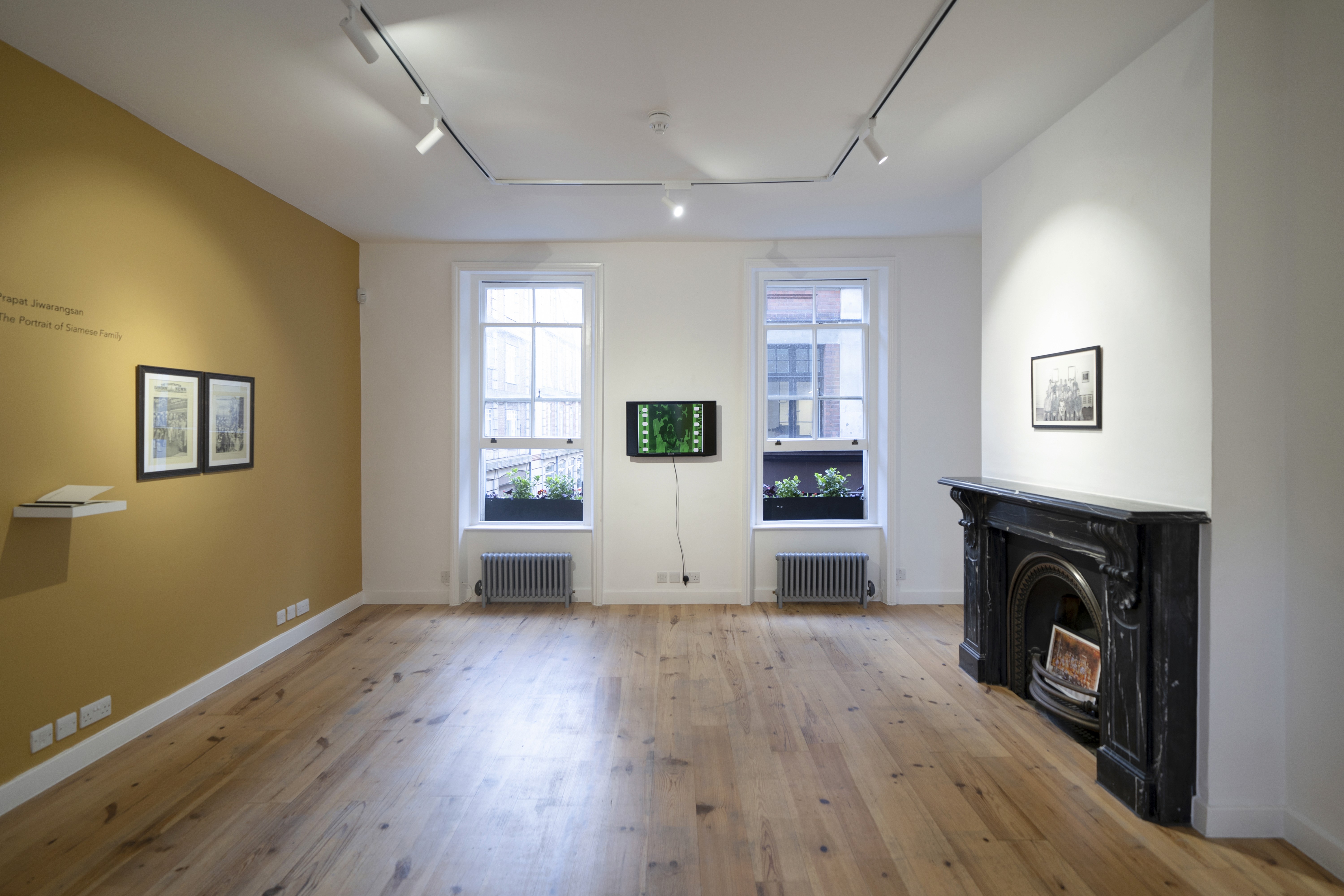
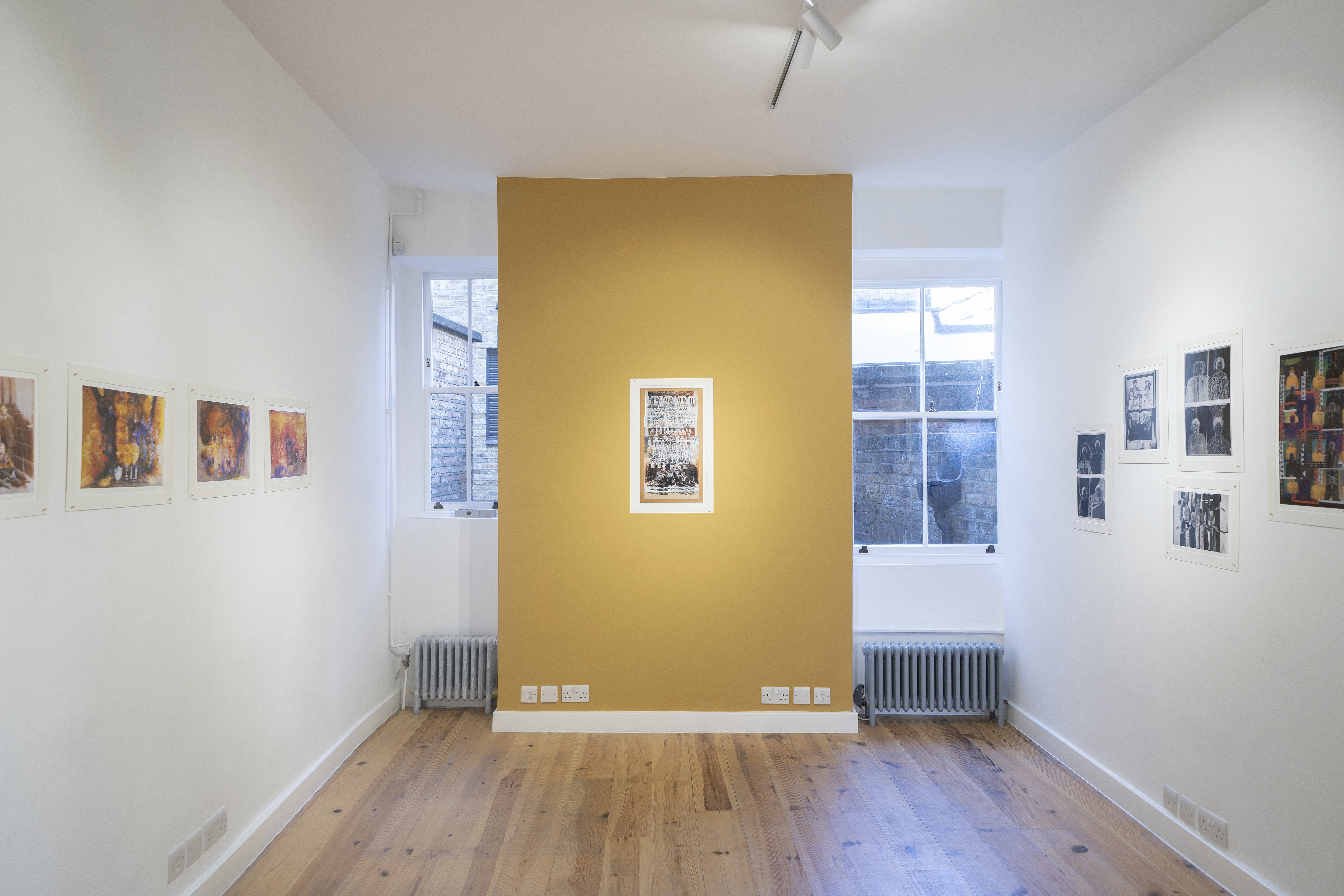
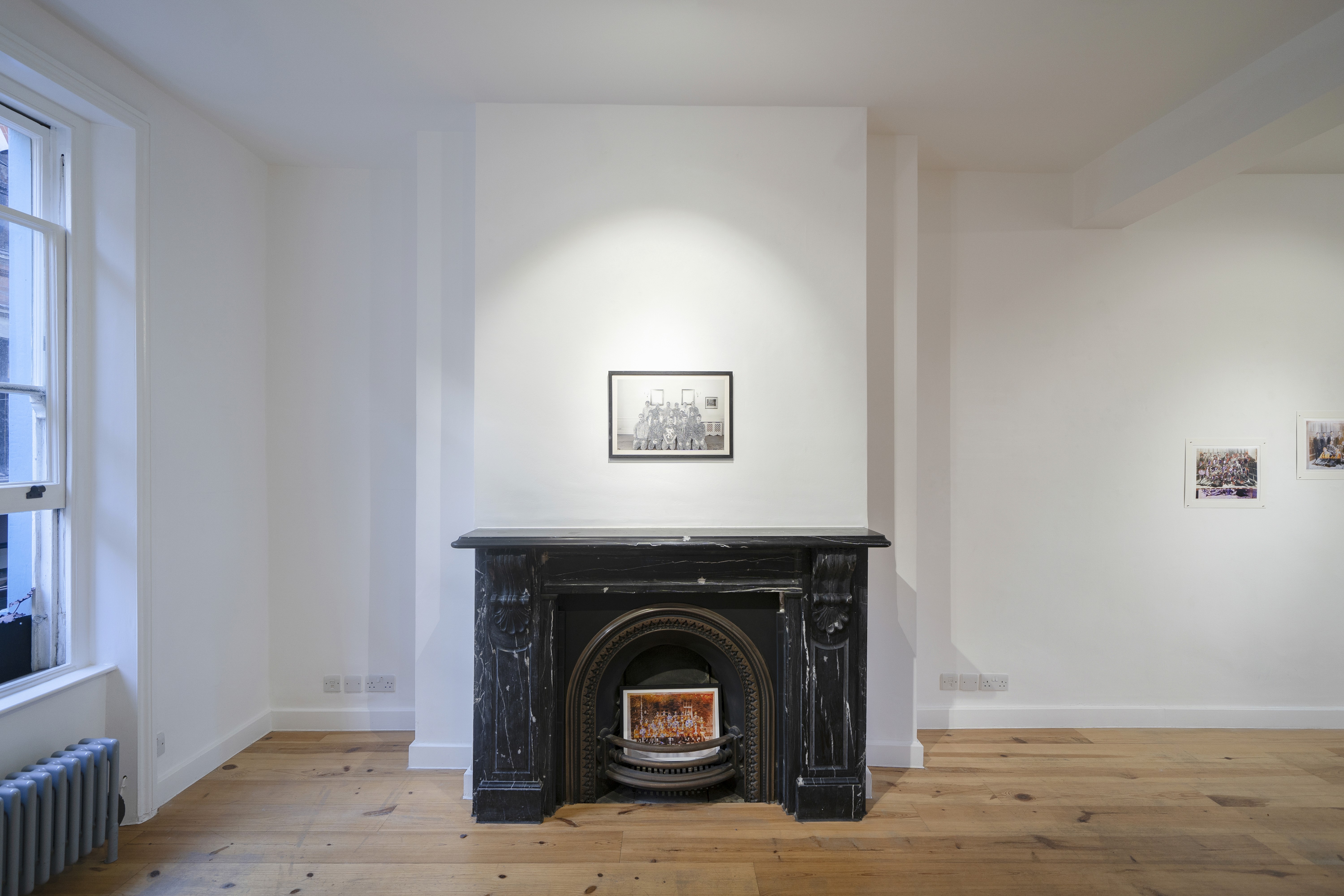
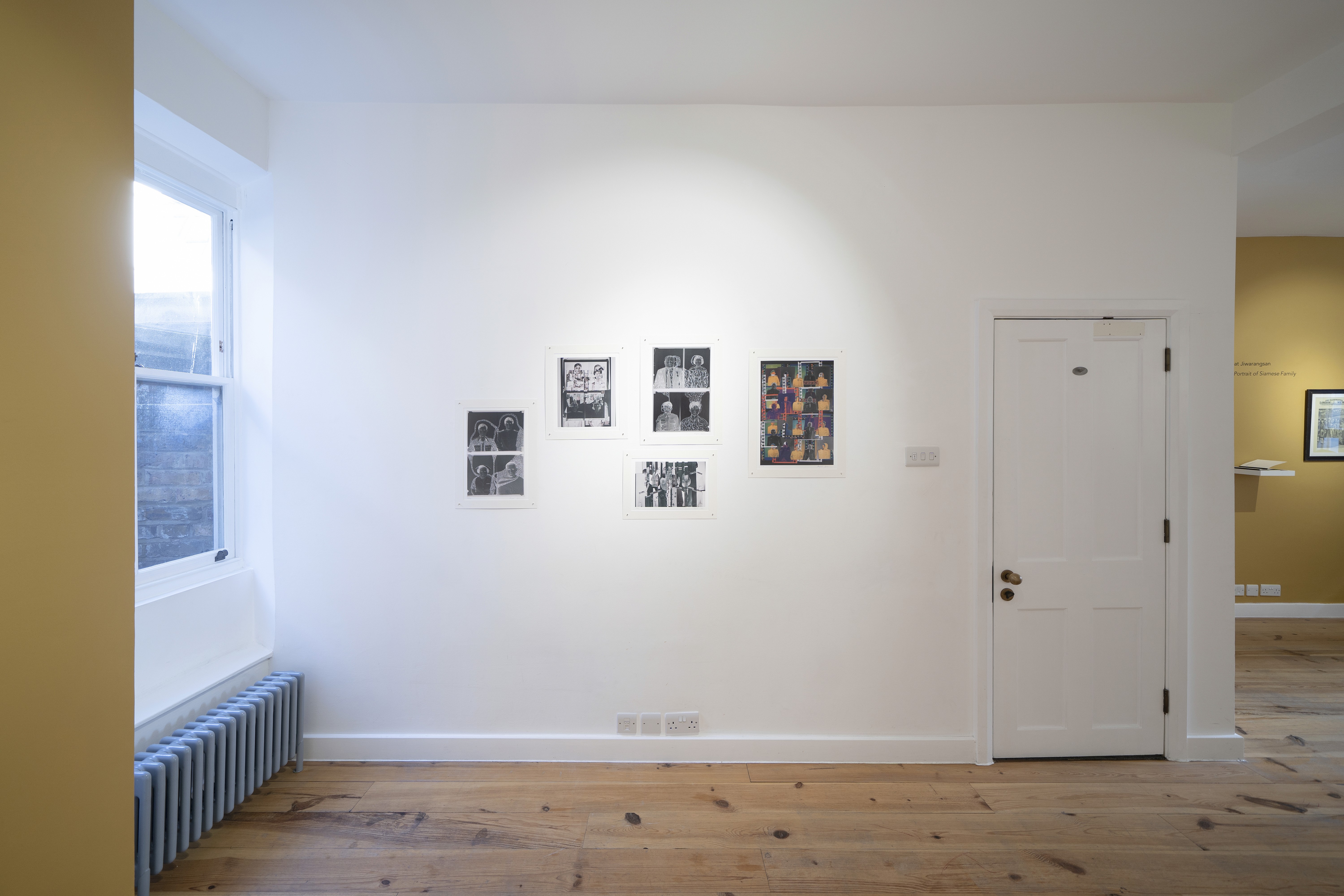
The photographic project The Portrait of Siamese Family recontexualises archival photographs while exploring visual representations of Thai social stratification. Drawing from two distinct sources, the work juxtaposes images of Thai princes in London during the reign of King Rama V with ID photographs of ordinary Thai citizens from the mid-20th century. The former, collected from the archives of the Thai Student Alumni Association in London, captures group portraits of the first generation of Thai students sent abroad by King Rama V. These young royalties, born to many of the king’s wives, were sent to England to receive Western education, returning to Thailand to assume governmental roles and perpetuate the royal legacy. The latter set of images consists of hundreds of ID photographs acquired from a defunct photo lab, taken between the 1950s and 1990s. These photographs depict Thai citizens in uniforms that signify their roles and ranks within the societal hierarchy, including military personnel, police officers, civil servants, and monks.
By bringing these disparate visual records into dialogue, Prapat Jiwarangsan (b. 1979, Bangkok) extends the legacy of the contemporary photographic movement, using collage and experimental techniques to spotlight class dynamics. His work reimagines photography as a tool for critical engagement, questioning power structures and historical representations. Reconstructing archival images and obscuring markers of class and identity, Prapat’s portraits blur distinctions between historical record and artistic intervention.
Prapat’s installations have been showcased internationally in Bangkok, London, Berlin, Hong Kong, Tokyo, Kyoto, Seoul, and Singapore. His video works have been featured at prestigious film festivals, including the Berlin International Film Festival, the International Film Festival Rotterdam, the Ann Arbor Film Festival, Onion City Experimental Film Festival, and the Singapore International Film Festival.